
Corporate Wellness in Singapore: Complete Guide to Programs, Costs & Vendors
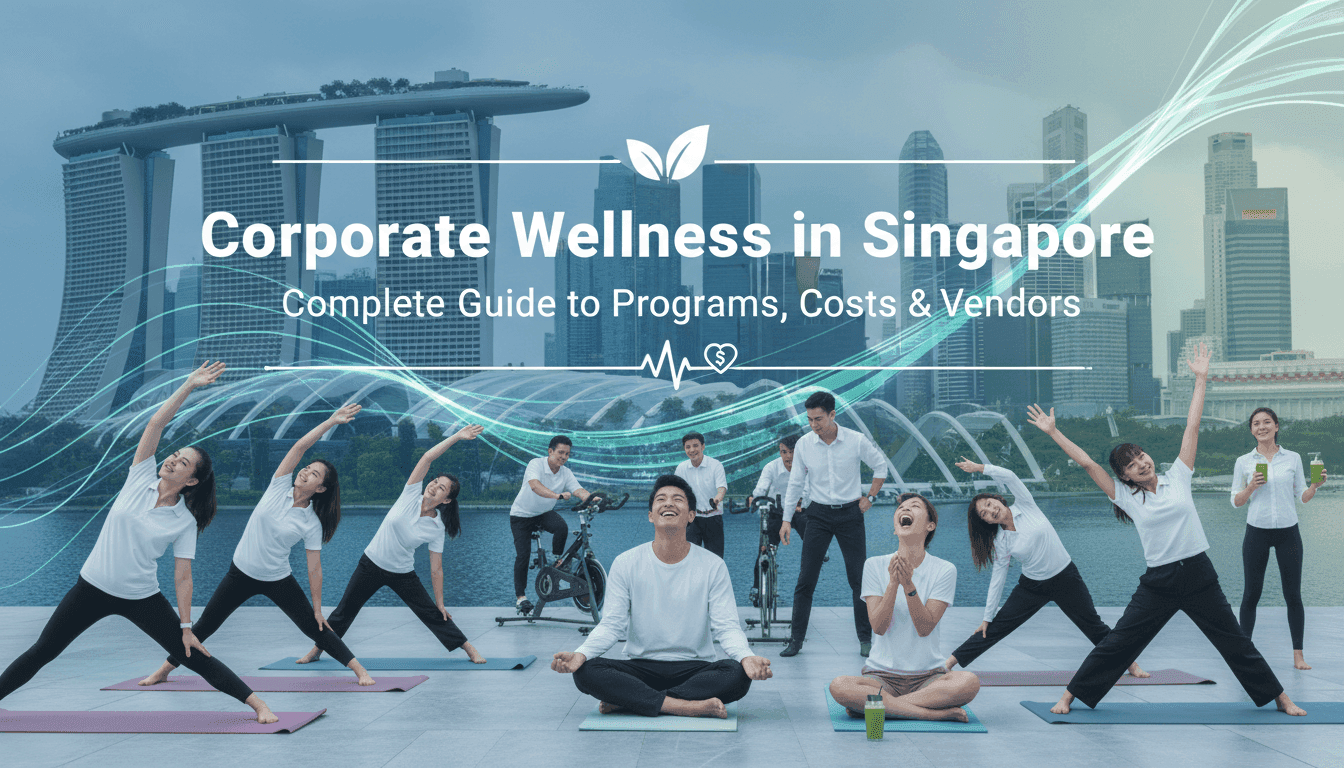
Table Of Contents
- What is Corporate Wellness and Why It Matters in Singapore
- Types of Corporate Wellness Programs
- Cost Breakdown of Corporate Wellness Programs in Singapore
- ROI and Business Impact of Wellness Initiatives
- How to Choose the Right Corporate Wellness Vendor
- Corporate Wellness Vendor Directory for Singapore
- Implementing a Successful Corporate Wellness Program
- Government Support and HPB Partnerships
The landscape of work in Singapore has transformed dramatically over the past few years, with employee wellbeing emerging as a critical business priority rather than a nice-to-have perk. Organizations across the island nation are recognizing that their greatest asset—their people—require holistic support to perform at their peak consistently. Corporate wellness programs have evolved from simple gym memberships to comprehensive ecosystems that address physical, mental, emotional, and financial wellbeing.
For HR leaders and business executives navigating this space, the challenge lies not in understanding whether to invest in wellness, but in determining which programs deliver genuine impact, how much to budget, and which vendors can truly align wellness initiatives with business objectives. With workplace stress levels rising and the competition for talent intensifying, strategic wellness investments have become essential for organizations seeking sustainable growth.
This comprehensive guide explores the corporate wellness ecosystem in Singapore, providing practical insights into program types, transparent cost breakdowns, measurable ROI metrics, and a curated directory of vendors. Whether you're launching your first wellness initiative or enhancing an existing program, this resource will equip you with the knowledge to make informed decisions that benefit both your people and your bottom line.
What is Corporate Wellness and Why It Matters in Singapore
Corporate wellness encompasses structured programs and initiatives designed to support employee health, wellbeing, and performance across multiple dimensions. Unlike traditional occupational health programs that focus solely on preventing workplace injuries, modern corporate wellness takes a holistic approach that recognizes the interconnection between physical health, mental resilience, emotional balance, and organizational productivity.
In Singapore's high-performance business environment, the imperative for wellness programs has never been stronger. Research consistently shows that Singaporean workers face some of the longest working hours globally, with nearly 73% reporting work-related stress according to recent workforce studies. This chronic stress doesn't just affect individual wellbeing; it translates directly into business costs through presenteeism, absenteeism, healthcare expenses, and talent attrition.
The business case for corporate wellness extends beyond risk mitigation. Organizations that invest strategically in employee wellbeing report enhanced engagement levels, improved cognitive performance, stronger team cohesion, and increased innovation capacity. When employees feel supported across all dimensions of their wellbeing, they're better equipped to handle complex challenges, collaborate effectively, and sustain high performance over time.
Singapore's unique cultural context also shapes wellness program effectiveness. The nation's diverse, multi-generational workforce brings varied expectations, communication preferences, and wellness needs. Successful programs recognize these differences and create inclusive approaches that resonate across age groups, cultural backgrounds, and job functions. This cultural intelligence separates programs that generate genuine engagement from those that exist only on paper.
Types of Corporate Wellness Programs
Corporate wellness programs in Singapore span a wide spectrum of approaches, each addressing different aspects of employee wellbeing. Understanding these program types helps organizations build comprehensive strategies that address their workforce's actual needs rather than implementing generic solutions.
Physical Wellness Programs
Physical wellness initiatives remain foundational to most corporate wellness strategies. These programs include fitness challenges, subsidized gym memberships, on-site exercise classes, health screenings, nutrition workshops, and ergonomic assessments. Progressive organizations are moving beyond basic offerings to create integrated physical wellness ecosystems that make healthy choices convenient and engaging. This might include standing desks, healthy pantry options, step challenges with gamification elements, and partnerships with fitness centers near office locations.
The effectiveness of physical wellness programs increases significantly when they're designed around behavioral science principles rather than simple access provision. Programs that incorporate social support, progressive goal-setting, and intrinsic motivation consistently outperform those that rely solely on extrinsic rewards.
Mental Health and Psychological Wellbeing Programs
Mental health has emerged as a critical priority for Singapore organizations, particularly following increased awareness of workplace stress and burnout. Comprehensive mental health programs include Employee Assistance Programs (EAPs), counseling services, stress management workshops, resilience training, mindfulness sessions, and psychological assessments.
Effective mental health initiatives recognize that psychological wellbeing isn't merely the absence of mental illness but the presence of psychological capital—the internal resources that enable individuals to navigate challenges, maintain optimism, build resilience, and sustain performance under pressure. Programs built on this positive psychology foundation help employees develop sustainable coping mechanisms and mental fitness rather than simply providing crisis intervention.
Leading organizations are also addressing the stigma around mental health through leadership training, open communication campaigns, and normalized access to support services. When senior leaders model healthy boundaries and openly discuss wellbeing, it creates psychological safety for employees to seek help when needed.
Coaching and Development Programs
Coaching has become integral to holistic wellness strategies, recognizing that professional growth and personal development significantly impact overall wellbeing. These programs include executive coaching, team coaching, career development coaching, and specialized coaching for leadership transitions or specific performance challenges.
Quality coaching programs use evidence-based methodologies and frameworks that align individual development with organizational objectives. This alignment ensures that coaching investments deliver dual benefits: enhanced employee wellbeing and improved business outcomes. The ConPACT framework exemplifies this approach by integrating Consultancy, Profiling, Assessments, Coaching, and Training into cohesive development pathways.
Financial Wellness Programs
Financial stress represents a significant but often overlooked wellbeing factor. Financial wellness programs address this through financial literacy workshops, retirement planning support, debt management guidance, and sometimes financial counseling services. In Singapore's high-cost environment, these programs resonate particularly strongly with employees managing housing costs, family obligations, and future planning.
Social and Community Wellness
Humans are inherently social beings, and workplace relationships significantly influence overall wellbeing. Social wellness programs create opportunities for meaningful connection through team activities, volunteer initiatives, interest-based clubs, and structured networking events. These programs combat isolation, build social capital, and strengthen organizational culture.
Cost Breakdown of Corporate Wellness Programs in Singapore
Understanding the financial investment required for corporate wellness programs enables organizations to budget appropriately and select solutions that deliver value within their constraints. Costs vary significantly based on program scope, vendor expertise, customization level, and employee population size.
Employee Assistance Programs (EAP)
Comprehensive EAP services typically range from SGD 30 to SGD 150 per employee annually, depending on service breadth and provider expertise. Basic EAP packages offering 24/7 counseling hotlines and limited face-to-face sessions sit at the lower end, while comprehensive programs that include psychological assessments, unlimited counseling, specialized workshops, management consultations, and critical incident support command premium pricing.
Organizations should evaluate EAP costs against utilization rates and outcome metrics rather than purely per-employee pricing. A program costing SGD 100 per employee with 25% utilization and measurable stress reduction delivers superior value compared to a SGD 40 program with 5% utilization and minimal impact.
Coaching and Training Programs
Individual executive coaching engagements typically range from SGD 3,000 to SGD 15,000 per participant for a standard program (6-12 sessions over 3-6 months). Team coaching programs range from SGD 5,000 to SGD 25,000 depending on team size and engagement duration. Group training workshops cost between SGD 2,000 and SGD 8,000 per session for groups of 20-30 participants.
The investment in coaching and training should align with organizational development priorities and expected performance improvements. Organizations achieving the highest ROI from these programs carefully select participants, establish clear objectives, and integrate coaching with broader development frameworks.
Health Screening and Physical Wellness
Basic health screening programs cost approximately SGD 100 to SGD 300 per employee, while comprehensive executive health screenings can exceed SGD 1,000 per participant. Gym membership subsidies typically range from SGD 50 to SGD 150 per employee monthly. On-site fitness classes or wellness activities cost between SGD 150 and SGD 500 per session, depending on instructor expertise and activity type.
Fitness challenges and wellness campaigns with digital platforms typically require investments of SGD 5,000 to SGD 20,000 for setup and management, plus incentive budgets if reward structures are included.
Holistic Wellness Platforms
Comprehensive wellness platforms that integrate multiple services (mental health support, coaching, physical wellness, digital resources) typically cost between SGD 50 and SGD 200 per employee annually. These platforms offer convenience and integration benefits but require careful evaluation to ensure employees actually engage with the full range of services rather than letting capabilities go unused.
Customized Organizational Solutions
Bespoke wellness programs designed specifically for organizational needs involve consultancy fees ranging from SGD 10,000 to SGD 100,000+ depending on project scope, organization size, and customization depth. These investments include needs assessment, program design, implementation support, and ongoing optimization.
While customized solutions require higher initial investments, they often deliver superior ROI by addressing actual organizational challenges rather than implementing generic programs that may not resonate with specific workforce needs.
ROI and Business Impact of Wellness Initiatives
The question of wellness program ROI consistently arises in budget discussions, and rightfully so. Organizations need evidence that wellness investments deliver tangible business value beyond feel-good benefits.
Research from various organizational studies demonstrates that well-designed wellness programs deliver ROI ranging from 1:2.5 to 1:6 through reduced healthcare costs, decreased absenteeism, improved productivity, and lower turnover. However, these returns don't materialize automatically; they require strategic program design, consistent implementation, and genuine organizational commitment.
Measurable Impact Areas
Absenteeism reduction represents one of the most easily quantifiable benefits. Organizations with comprehensive wellness programs report absenteeism decreases of 15-30%, translating directly to productivity gains and reduced operational disruption. In Singapore's context, where talent costs represent significant business expenses, even modest absenteeism reductions create substantial value.
Presenteeism reduction, while harder to measure, often delivers even greater impact. Presenteeism occurs when employees attend work but operate at reduced capacity due to health issues, stress, or burnout. Quality wellness programs that address mental health, stress management, and physical wellbeing can reduce presenteeism by 20-40%, dramatically improving actual work output.
Employee engagement and retention improvements provide medium-term ROI through reduced recruitment costs and preserved institutional knowledge. Organizations with strong wellness cultures report 25-50% lower voluntary turnover in competitive talent markets. Given that replacing skilled employees typically costs 50-200% of annual salary, retention improvements alone can justify wellness investments.
Performance and productivity enhancements emerge when wellness programs develop psychological capital alongside physical health. Employees with higher resilience, optimism, self-efficacy, and hope demonstrate superior problem-solving, innovation, customer service, and goal achievement. While individual productivity gains may be modest (5-15%), aggregate organizational impact can be substantial.
Measuring Your Program's Effectiveness
Effective ROI measurement requires establishing baseline metrics before program implementation and tracking changes over time. Key metrics include participation rates, employee satisfaction scores, health risk assessments, productivity indicators, absenteeism data, turnover rates, and healthcare cost trends.
Leading organizations move beyond simple participation tracking to measure behavioral change, health outcomes, and business impact. This multi-level evaluation approach provides clear evidence of program value and identifies optimization opportunities.
How to Choose the Right Corporate Wellness Vendor
Selecting the right wellness vendor represents a critical decision that significantly influences program success. The Singapore market offers numerous providers, each with different expertise areas, service models, and value propositions.
Key Selection Criteria
Vendor expertise and credentials should top your evaluation criteria. Look for providers with qualified professionals (psychologists, coaches with recognized certifications, healthcare professionals), evidence-based methodologies, and relevant experience serving organizations similar to yours. Vendors who invest in research, publish thought leadership, and contribute to professional communities typically deliver higher-quality services.
Customization capability separates vendors who truly understand organizational development from those offering one-size-fits-all packages. Effective vendors conduct thorough needs assessments, design programs aligned with your specific culture and challenges, and adapt approaches based on feedback and results. Be cautious of vendors who immediately propose standard packages without understanding your unique context.
Integration with business objectives ensures wellness initiatives support rather than distract from organizational goals. Quality vendors understand how to align wellbeing programs with performance objectives, leadership development, cultural transformation, and strategic priorities. This strategic alignment, exemplified by frameworks like ConPACT that integrate Consultancy, Profiling, Assessments, Coaching, and Training, ensures wellness becomes a business enabler rather than a separate HR initiative.
Measurement and reporting capabilities enable you to track progress, demonstrate value, and optimize programs over time. Vendors should provide clear metrics, regular reporting, and insights that inform decision-making. Ask potential vendors to share sample reports and explain their evaluation methodologies.
Cultural sensitivity matters tremendously in Singapore's diverse workplace environment. Vendors must demonstrate cultural competence, multilingual capabilities when relevant, and understanding of different generational expectations. Programs that resonate with Singapore's unique cultural context achieve significantly higher engagement than those transplanted from other markets.
Questions to Ask Potential Vendors
Before committing to a wellness vendor, ask about their experience with organizations in your industry, their practitioner qualifications, their approach to program customization, how they measure success, what typical engagement rates they achieve, how they handle data privacy and confidentiality, and what ongoing support they provide beyond initial implementation.
Request case studies demonstrating measurable outcomes with similar organizations. Quality vendors willingly share evidence of their impact and connect you with existing clients who can provide candid feedback.
Corporate Wellness Vendor Directory for Singapore
Singapore's corporate wellness market includes providers spanning different specializations, service models, and price points. This directory highlights key vendor categories to guide your search.
Comprehensive EAP and Organizational Development Providers
Providers offering integrated Employee Assistance Programs combined with organizational development services deliver holistic solutions addressing individual wellbeing and organizational effectiveness. iGrowFit exemplifies this comprehensive approach, combining EAP services with consultancy, psychological assessments, coaching, and training through their ConPACT framework. Since 2009, they've worked with over 450 Fortune 500 companies, MNCs, and SMEs, completing more than 700 consultancy projects and impacting over 75,000 employees through evidence-based solutions focused on developing psychological capital for peak performance and leadership development.
Comprehensive providers offer distinct advantages for organizations seeking strategic wellness partnerships rather than transactional service relationships. Their multi-disciplinary teams can address diverse needs through coordinated approaches, ensuring consistency and integration across wellbeing initiatives.
Specialized Mental Health Providers
Several vendors specialize specifically in mental health services, offering counseling, therapy, psychiatric services, and mental health workshops. These providers serve organizations prioritizing mental health support or supplementing broader wellness programs with specialized psychological services.
Physical Wellness and Fitness Providers
Fitness centers, corporate wellness companies focused on physical health, and health screening providers offer services ranging from on-site fitness classes to comprehensive health assessments. These vendors work well for organizations emphasizing physical health or building specific components of broader wellness strategies.
Digital Wellness Platforms
Technology-enabled wellness platforms provide app-based access to mental health resources, fitness programs, nutrition guidance, and wellbeing tracking. These solutions offer scalability and convenience, particularly for organizations with distributed workforces or younger employee demographics comfortable with digital services.
Coaching and Leadership Development Firms
Specialized coaching providers offer executive coaching, leadership development, and team effectiveness programs. These vendors focus on developing leadership capabilities and organizational performance, with wellbeing emerging as an outcome of effective leadership and team dynamics.
Selecting Your Vendor Mix
Many successful organizations combine multiple vendors to create comprehensive wellness ecosystems. A common approach involves partnering with a strategic provider for core EAP and organizational development services while engaging specialized vendors for specific needs like health screenings or niche wellness activities. This hybrid model balances integration with specialized expertise.
Implementing a Successful Corporate Wellness Program
Program selection represents only the first step; successful implementation determines whether wellness initiatives deliver promised benefits or become underutilized budget items.
Start with Strategic Needs Assessment
Effective wellness programs begin with thorough needs assessment rather than assumptions about what employees want. Use surveys, focus groups, health risk assessments, and data analysis to understand actual wellbeing challenges, engagement barriers, and program preferences across your workforce. This evidence-based foundation ensures investments address real needs.
Consider demographic differences in your needs assessment. Younger employees might prioritize career development and mental health resources, while senior employees may value retirement planning and chronic condition management. Multi-generational programs acknowledge these differences while creating inclusive experiences.
Secure Leadership Commitment
Leadership commitment extends beyond budget approval to active participation and visible support. When senior leaders participate in wellness activities, discuss wellbeing openly, and model healthy behaviors, it signals organizational values and creates permission for employees to prioritize their own wellbeing. This top-down cultural influence significantly impacts program engagement and effectiveness.
Educate leaders about the business case for wellness, their role in reducing stigma, and how they can support team members' wellbeing through their management practices. Leadership development programs that integrate wellbeing considerations create multiplier effects throughout organizations.
Design for Accessibility and Inclusion
Programs that require significant time commitments, inconvenient locations, or complex enrollment processes face engagement challenges regardless of their quality. Design wellness initiatives with convenience, simplicity, and inclusivity as core principles. Offer multiple access channels (in-person, virtual, self-service), varied timing options, and low-barrier participation processes.
Address potential stigma, particularly around mental health services, through confidentiality assurances, discrete access methods, and normalization campaigns. Employees won't utilize valuable resources if they fear judgment or career consequences.
Communicate Consistently and Compellingly
Even excellent programs fail without effective communication. Develop multi-channel communication strategies that raise awareness, explain benefits, share success stories, and maintain ongoing engagement. Move beyond initial launch announcements to sustained campaigns that keep wellness visible in organizational consciousness.
Use diverse communication formats—emails, posters, intranet content, team meetings, leadership messages, and peer testimonials—to reach employees with different preferences and work patterns. Consistent messaging reinforces wellness as an organizational priority rather than a temporary initiative.
Measure, Learn, and Optimize
Treat wellness programs as ongoing experiments requiring continuous improvement. Establish clear metrics, track progress regularly, gather participant feedback, and adjust approaches based on evidence. Programs that evolve based on data and employee input remain relevant and effective over time.
Share results transparently with employees and leadership. Celebrating successes builds momentum and engagement, while acknowledging challenges demonstrates commitment to genuine impact rather than performative initiatives.
Government Support and HPB Partnerships
Singapore's Health Promotion Board (HPB) actively supports workplace health and wellness through various programs, grants, and resources that reduce implementation costs and provide expert guidance.
The Workplace Health Promotion Grant helps organizations implement evidence-based workplace health programs by co-funding up to 50% of qualifying expenses. Eligible activities include health screenings, fitness programs, mental wellbeing initiatives, and chronic disease management programs. This financial support makes comprehensive wellness programs more accessible, particularly for SMEs with limited budgets.
HPB also offers the Workplace Health Promotion certification program, recognizing organizations that demonstrate commitment to employee health through structured wellness initiatives. Achieving certification provides external validation, benchmarking opportunities, and access to HPB resources and networks.
Partnerships with HPB extend beyond funding to include program design support, best practice sharing, educational resources, and connection to national health initiatives. Organizations working with wellness vendors who have established HPB partnerships, such as iGrowFit's collaboration on national-level psychological wellbeing initiatives, benefit from aligned approaches and streamlined access to government resources.
These public-private partnerships reflect Singapore's recognition that workplace wellness represents a national health priority with implications for healthcare costs, productivity, and quality of life. Organizations that leverage available government support accelerate their wellness programs while contributing to broader national wellbeing objectives.
Beyond HPB, other government initiatives support specific wellness dimensions. Tripartite Alliance for Fair and Progressive Employment Practices (TAFEP) provides resources for mental health at work, while SkillsFuture supports employee development and career wellness. Savvy organizations integrate these various resources into comprehensive wellness strategies that maximize value and impact.
Corporate wellness in Singapore has evolved from peripheral perk to strategic imperative, driven by mounting evidence that employee wellbeing directly influences organizational performance, innovation capacity, and competitive advantage. The programs that deliver genuine impact share common characteristics: they're built on thorough needs assessment rather than assumptions, they integrate with business objectives rather than existing in isolation, they're designed for accessibility and inclusion, and they're continuously optimized based on evidence and feedback.
The investment required for effective wellness programs varies widely based on scope, customization, and vendor expertise, but the potential returns—reduced absenteeism, enhanced productivity, improved retention, and stronger engagement—consistently justify strategic wellness investments when programs are thoughtfully designed and committed to.
As you navigate the corporate wellness landscape, prioritize vendors who demonstrate genuine expertise, offer customization aligned with your specific context, integrate wellbeing with business objectives, and provide transparent measurement of outcomes. Whether you're launching your first wellness initiative or enhancing existing programs, the key lies not in implementing the most comprehensive suite of services but in selecting approaches that resonate with your unique workforce and support your organizational goals.
The journey toward organizational wellbeing is continuous rather than episodic, requiring sustained commitment, leadership engagement, and willingness to adapt based on evidence. Organizations that embrace this journey position themselves not only as employers of choice in competitive talent markets but as sustainable businesses equipped to navigate complexity and change with resilient, engaged, high-performing teams.
Ready to build a corporate wellness program that delivers measurable impact for your organization? The team at iGrowFit brings over a decade of expertise helping Fortune 500 companies, MNCs, and SMEs develop people-centric solutions that drive performance and wellbeing. Our evidence-based ConPACT framework integrates consultancy, psychological assessments, coaching, and training into holistic organizational solutions aligned with your business goals. Connect with our specialists on WhatsApp to discuss how we can support your team's journey toward sustainable peak performance and wellbeing.