Employee Assistance Programs in Singapore: The Complete Employer's Guide
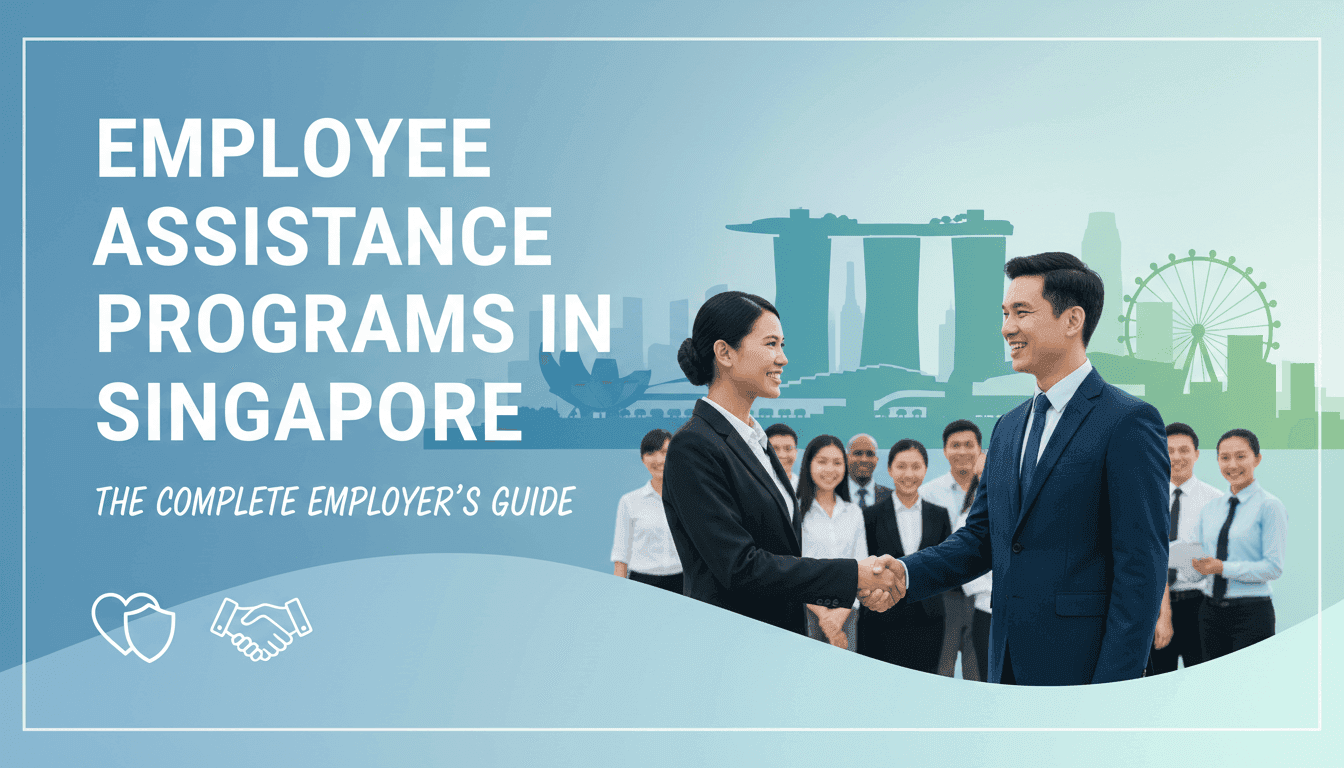
Table Of Contents
- What is an Employee Assistance Program (EAP)?
- Why EAPs Matter for Singapore Employers
- Core Components of Effective EAPs
- The Business Case: ROI and Measurable Benefits
- Selecting the Right EAP Provider in Singapore
- Implementing Your EAP: A Strategic Framework
- Promoting EAP Utilization and Overcoming Stigma
- Measuring EAP Success and Continuous Improvement
- Legal and Regulatory Considerations in Singapore
- The Future of EAPs: Trends and Innovations
The modern workplace in Singapore faces unprecedented challenges. Rising stress levels, increasing mental health concerns, and evolving employee expectations have transformed how organizations approach employee wellbeing. For forward-thinking employers, Employee Assistance Programs (EAPs) have emerged not merely as a benefit offering, but as a strategic business imperative that directly impacts productivity, retention, and organizational resilience.
Yet despite growing awareness, many Singapore employers remain uncertain about how to effectively implement EAPs or maximize their return on investment. Questions persist: What should a comprehensive EAP include? How do you measure success? Which provider aligns with your organizational culture and business objectives?
This complete employer's guide answers these critical questions and more. Drawing on evidence-based practices and insights from working with over 450 organizations across Singapore, we'll walk you through everything you need to know about Employee Assistance Programs. Whether you're considering implementing your first EAP or looking to enhance an existing program, this guide provides the strategic framework and practical tools to make informed decisions that genuinely support your people while driving business outcomes.
Employee Assistance Programs in Singapore
Strategic insights for implementing workplace wellness that drives business results
Core EAP Components
Implementation Roadmap
Key Success Factors
The Bottom Line
EAPs aren't just compassionate benefits—they're strategic investments that improve productivity, retention, and organizational resilience. Singapore employers who implement comprehensive, evidence-based programs see measurable returns while building workplaces where people thrive.
Ready to implement a strategic EAP for your organization?
Connect with iGrowFit on WhatsApp →What is an Employee Assistance Program (EAP)?
An Employee Assistance Program is a confidential, employer-sponsored benefit designed to help employees address personal and work-related challenges that may impact their wellbeing, performance, and overall quality of life. Unlike traditional benefits that focus solely on physical health, EAPs take a holistic approach to employee wellness, recognizing that personal challenges inevitably affect professional performance.
Modern EAPs extend far beyond the traditional counseling model. Today's comprehensive programs encompass psychological support, career coaching, financial guidance, legal consultation, and family care assistance. The confidential nature of these services is paramount, as it encourages employees to seek help early, before minor challenges escalate into major crises that affect both the individual and the organization.
The fundamental premise behind EAPs is straightforward yet powerful: when employees receive timely, professional support for their challenges, they perform better, remain more engaged, and contribute more meaningfully to organizational success. For Singapore employers operating in a competitive talent market, this connection between employee wellbeing and business performance has never been more critical.
Why EAPs Matter for Singapore Employers
Singapore's unique workplace landscape presents distinct challenges that make EAPs particularly valuable. The fast-paced, high-performance culture that drives the nation's economic success also creates significant pressure on employees. According to recent workplace studies, Singapore consistently ranks among the most stressed workforces globally, with employees reporting high levels of work-related anxiety and burnout.
The financial implications of neglecting employee mental health are substantial. Research indicates that mental health issues cost Singapore employers approximately $16 billion annually through lost productivity, absenteeism, and staff turnover. These aren't abstract statistics; they represent real business impact that affects your bottom line, operational efficiency, and competitive positioning.
Beyond the compelling business case, Singapore employers face increasing expectations from a multi-generational workforce. Younger employees, particularly Millennials and Gen Z workers, actively seek employers who demonstrate genuine commitment to employee wellbeing. In Singapore's tight labor market, where talent acquisition and retention pose ongoing challenges, a robust EAP can differentiate your organization as an employer of choice.
The COVID-19 pandemic has further amplified the importance of mental health support in workplaces. Remote work arrangements, economic uncertainty, and ongoing social restrictions have blurred work-life boundaries and intensified stress levels. Organizations that proactively addressed these challenges through comprehensive EAPs demonstrated greater resilience and maintained higher employee engagement during unprecedented disruption.
Core Components of Effective EAPs
While EAP offerings vary across providers, the most effective programs share several essential components that address the full spectrum of employee needs. Understanding these core elements helps employers evaluate potential providers and design programs that deliver meaningful impact.
Counseling and Psychological Support forms the foundation of any comprehensive EAP. This includes access to qualified psychologists and counselors who can address mental health concerns, relationship difficulties, stress management, and emotional challenges. The quality of this service depends heavily on the expertise and cultural competence of the professionals involved, particularly in Singapore's diverse, multicultural environment.
Career and Performance Coaching recognizes that professional development concerns significantly impact employee wellbeing. Access to coaches who can help with career planning, workplace conflicts, leadership challenges, and professional growth addresses the reality that career concerns often intersect with personal wellbeing.
Work-Life Integration Support has evolved beyond simple work-life balance to address the complex reality of modern professional life. This includes assistance with childcare and eldercare concerns, time management strategies, and resources for managing competing personal and professional demands.
Financial and Legal Consultation provides employees with expert guidance on financial planning, debt management, and basic legal matters. Financial stress represents one of the most significant sources of employee anxiety, making this component particularly valuable for comprehensive wellbeing support.
Crisis Intervention Services ensure that employees can access immediate support during acute crises. Whether facing a personal emergency, traumatic event, or urgent mental health concern, 24/7 crisis support provides a critical safety net that can literally save lives.
Management Consultation extends EAP benefits beyond individual employees to support managers and leaders. This includes guidance on handling difficult employee situations, recognizing signs of distress, and creating psychologically safe team environments.
The Business Case: ROI and Measurable Benefits
Investing in an EAP requires budget allocation and organizational commitment, making the business case for these programs essential. Fortunately, the return on investment for well-implemented EAPs is both substantial and measurable across multiple dimensions.
Financial returns represent the most tangible benefit. Studies consistently demonstrate that organizations achieve $3 to $6 in return for every dollar invested in EAP services. This return materializes through reduced absenteeism, lower healthcare costs, decreased disability claims, and improved productivity. For a mid-sized Singapore company with 500 employees, these savings can easily reach hundreds of thousands of dollars annually.
Productivity improvements occur when employees address challenges before they significantly impair performance. An employee struggling with family issues, financial stress, or mental health concerns operates at reduced capacity, even when physically present at work. This "presenteeism" often costs organizations more than outright absenteeism. EAPs help employees resolve challenges quickly, restoring optimal performance levels.
Talent retention benefits extend beyond immediate cost savings. The expense of replacing an employee typically ranges from 50% to 200% of annual salary when accounting for recruitment costs, onboarding expenses, productivity losses, and the time investment from existing team members. When employees feel genuinely supported through difficult times, organizational loyalty strengthens significantly.
Risk mitigation represents another critical but often overlooked benefit. Workplace incidents related to substance abuse, violence, or severe mental health crises carry enormous potential costs in legal liability, reputational damage, and workplace disruption. Early intervention through EAP services can prevent many of these situations entirely.
Organizational culture improvements create value that extends beyond individual metrics. When employees perceive that their employer genuinely cares about their wellbeing, engagement increases, collaboration improves, and the overall work environment becomes more positive and productive.
Selecting the Right EAP Provider in Singapore
Choosing an EAP provider represents a critical strategic decision that will impact your employees and organization for years. The Singapore market offers numerous providers, each with different approaches, capabilities, and specializations. A systematic evaluation process ensures you select a partner aligned with your organizational needs and values.
Provider Expertise and Credentials should top your evaluation criteria. Investigate the qualifications of the counselors, psychologists, and coaches who will actually deliver services. Do they hold recognized professional certifications? Are they registered with relevant Singapore professional bodies? How much experience do they have working with organizations similar to yours?
Cultural Competence and Language Capabilities matter enormously in Singapore's multicultural environment. Your EAP provider must offer services in multiple languages and demonstrate deep understanding of the cultural nuances that influence how different employee populations experience and address mental health concerns.
Evidence-Based Approaches distinguish sophisticated providers from those offering generic solutions. Ask potential providers about their methodological frameworks. Do they employ research-backed interventions? Can they demonstrate measurable outcomes from their approaches? Organizations like iGrowFit differentiate themselves through evidence-based methodologies that develop psychological capital for sustainable performance improvement.
Service Accessibility and Delivery Models directly impact program utilization. Evaluate whether the provider offers flexible access channels including face-to-face counseling, telephonic support, video sessions, and digital resources. Consider whether service locations are convenient for your employees or whether remote options provide better accessibility.
Integration Capabilities determine how seamlessly the EAP integrates with your existing HR systems, benefits platforms, and wellness initiatives. The most effective programs don't operate in isolation but complement and enhance your broader employee wellbeing strategy.
Data Security and Confidentiality Protocols require careful scrutiny, particularly given Singapore's Personal Data Protection Act requirements. Understand exactly how the provider protects employee information, who has access to usage data, and what reporting mechanisms balance organizational insights with individual privacy.
Customization and Scalability ensure the program can adapt to your organization's unique needs and grow as your company evolves. One-size-fits-all programs rarely deliver optimal results. Look for providers willing to tailor their offerings to your specific organizational challenges, culture, and objectives.
Implementing Your EAP: A Strategic Framework
Successfully implementing an EAP requires more than simply signing a contract with a provider. A strategic, phased approach maximizes program effectiveness and employee engagement from the outset.
1. Secure Leadership Commitment – Executive sponsorship fundamentally influences EAP success. Leaders must visibly champion the program, model healthy behaviors, and allocate adequate resources. When senior leaders openly discuss the importance of mental health and wellbeing, they create organizational permission for employees to access support without fear of stigma or career consequences.
2. Conduct Needs Assessment – Understanding your organization's specific challenges enables targeted program design. Analyze existing data on absenteeism, turnover, workplace conflicts, and stress-related issues. Consider conducting anonymous employee surveys to identify the most pressing concerns and preferred support modalities. This baseline data also provides benchmarks for measuring future program impact.
3. Design Your Program Structure – Based on your needs assessment and organizational priorities, work with your chosen provider to configure specific services, access channels, and support levels. Decide whether to offer services to employees only or extend coverage to family members. Determine service limits, if any, and establish clear protocols for various types of situations.
4. Develop Communication Strategy – How you introduce and promote the EAP significantly impacts initial and ongoing utilization. Create a multi-channel communication plan that reaches employees through various touchpoints. Messages should emphasize confidentiality, explain available services clearly, and normalize help-seeking behavior. Avoid launching the EAP with a single announcement that quickly fades from employee awareness.
5. Train Managers and HR Personnel – Equip your people leaders with knowledge and skills to recognize signs of employee distress, have supportive conversations, and make appropriate EAP referrals. Manager training should address common concerns while establishing clear boundaries between supportive leadership and professional counseling roles.
6. Launch with Impact – Plan a launch campaign that creates awareness and momentum. Consider hosting kickoff events, providing informational materials, and creating opportunities for employees to learn about services in low-pressure settings. The launch should be substantial enough to register meaningfully without overwhelming employees with information.
7. Establish Feedback Mechanisms – Create channels for employees to provide ongoing feedback about their EAP experiences. This input helps identify potential improvements while demonstrating organizational commitment to continuous enhancement based on actual user experiences.
Promoting EAP Utilization and Overcoming Stigma
Even the most comprehensive EAP delivers limited value if employees don't actually use it. Research indicates that typical EAP utilization rates in Singapore hover between 5% and 10%, meaning the majority of employees never access available support. Addressing this utilization gap requires deliberate strategies that normalize help-seeking and reduce barriers to access.
Stigma surrounding mental health remains the single greatest obstacle to EAP utilization. Despite growing awareness, many employees fear that seeking psychological support will be perceived as weakness, raise questions about their capability, or negatively impact career progression. Overcoming this requires sustained cultural change, not just better communication materials.
Leadership vulnerability creates powerful permission for employees to access support. When leaders share their own experiences with stress, challenges, or EAP utilization, they send unmistakable signals that seeking help represents strength, not weakness. This doesn't require inappropriate personal disclosure but rather authentic acknowledgment that everyone faces difficulties.
Ongoing awareness campaigns keep the EAP visible throughout the year. Rather than promoting the program only during launch or Mental Health Awareness Month, integrate EAP messaging into regular communications. Share relevant tips, highlight different service components monthly, and provide compelling reasons to engage with specific resources.
Managerial encouragement significantly influences whether employees consider using EAP services. Train managers to proactively mention the EAP during check-in conversations, performance discussions, and whenever they observe signs of employee stress. The goal isn't to push unwanted services but to ensure employees know support exists when they need it.
Success stories and testimonials, shared anonymously or with permission, demonstrate tangible value and normalize utilization. When employees hear how colleagues benefited from career coaching, financial consultation, or counseling support, the EAP transforms from abstract benefit to practical resource.
Accessibility matters tremendously. If accessing the EAP requires complicated procedures, difficult scheduling, or inconvenient locations, utilization suffers. Ensure the process for initiating contact is genuinely simple, with multiple access points that accommodate different preferences and situations.
Measuring EAP Success and Continuous Improvement
What gets measured gets managed. Establishing clear metrics and regularly evaluating EAP performance ensures your investment delivers expected returns while identifying opportunities for program enhancement.
Utilization Metrics provide the most basic performance indicator. Track overall utilization rates, service type distribution, and demographic patterns in program access. While utilization alone doesn't demonstrate value, unusually low rates suggest awareness or accessibility problems requiring attention.
Employee Satisfaction Measures assess whether users found the services helpful, professional, and accessible. Most providers offer satisfaction surveys to EAP users. Pay particular attention to qualitative feedback that provides specific insights into service quality and potential improvements.
Outcome Measurements demonstrate actual impact on employee wellbeing and workplace functioning. This might include pre-post assessments of stress levels, anxiety symptoms, or work satisfaction among EAP users. More sophisticated programs track whether employees who accessed the EAP showed improvements in performance metrics or reductions in absenteeism.
Organizational Impact Indicators connect EAP investment to broader business objectives. Monitor trends in overall absenteeism, turnover rates, disability claims, and workplace conflicts. While isolating the EAP's specific contribution to these metrics can be challenging, directional trends provide valuable insights.
Return on Investment Calculations quantify financial benefits relative to program costs. Calculate savings from reduced turnover, decreased absenteeism, lower healthcare utilization, and productivity improvements. Most EAP providers can assist with ROI calculations based on established methodologies.
Continuous Improvement Processes ensure your EAP evolves with changing organizational needs and employee expectations. Schedule regular reviews with your provider to analyze utilization patterns, discuss emerging challenges, and adjust program components as needed. Annual strategic reviews should assess whether the EAP continues to align with organizational objectives and deliver expected value.
Comparing your metrics against industry benchmarks provides useful context. While every organization is unique, significant deviations from typical patterns may signal opportunities for improvement or areas of exceptional performance worth celebrating and studying.
Legal and Regulatory Considerations in Singapore
Implementing an EAP in Singapore requires attention to several legal and regulatory considerations that protect both employees and employers while ensuring program compliance.
The Personal Data Protection Act (PDPA) governs how EAP providers collect, use, and protect employee information. Any EAP must implement robust confidentiality protocols that comply with PDPA requirements. Employers should understand what data the provider collects, how it's secured, and what aggregated reporting they'll receive that protects individual privacy.
Workplace Safety and Health Act obligations may intersect with EAP services, particularly regarding mental health and workplace stress. While Singapore doesn't mandate EAPs, employers have general duties to protect employee safety and health, which increasingly encompasses psychological wellbeing. A well-implemented EAP demonstrates organizational commitment to comprehensive workplace health.
Employment Act considerations relate to how EAPs interact with employee rights, particularly around sick leave, workplace accommodations, and fair employment practices. EAP services can help employers navigate situations where mental health conditions affect work performance while ensuring compliance with employment obligations.
Professional Licensing and Credentials requirements ensure that counselors and psychologists providing EAP services hold appropriate qualifications. In Singapore, psychologists should be registered with the Singapore Psychological Society or hold equivalent international credentials. Counselors should possess recognized professional qualifications and ideally belong to relevant professional bodies.
Insurance and Liability Protections deserve attention in your provider contract. Clarify professional liability coverage, data breach insurance, and other protections that safeguard your organization in the unlikely event of service failures or confidentiality breaches.
Documentation and Record-Keeping practices should balance the need for service quality assurance with strict confidentiality protections. Establish clear protocols for what information enters employee files, if any, and ensure these practices comply with all relevant regulations.
The Future of EAPs: Trends and Innovations
The EAP landscape continues evolving rapidly, driven by technological advancement, changing workforce expectations, and deeper understanding of holistic wellbeing. Forward-thinking employers should consider these emerging trends when designing or enhancing their programs.
Digital Integration and Technology Platforms are transforming how employees access EAP services. Mobile apps, chatbots for initial assessment, online resource libraries, and virtual counseling sessions expand accessibility while accommodating diverse employee preferences. These digital tools particularly appeal to younger workers who expect seamless, technology-enabled experiences.
Preventive and Proactive Approaches are shifting EAPs from reactive crisis intervention toward proactive wellbeing development. This includes resilience training, stress management workshops, and programs that build psychological capital before crises emerge. Organizations like iGrowFit exemplify this evolution through their ConPACT framework, which integrates Consultancy, Profiling, Assessments, Coaching, and Training to develop sustainable performance capacity.
Personalization and AI-Driven Resources enable more targeted support based on individual needs, preferences, and circumstances. Adaptive platforms can recommend specific resources, match employees with appropriate counselors, and provide customized wellbeing content based on user interactions and stated concerns.
Financial Wellbeing Integration reflects growing recognition that financial stress significantly impacts overall wellbeing and workplace performance. Future EAPs will likely include more sophisticated financial coaching, planning tools, and education programs that address this critical wellbeing dimension.
Measurement and Analytics Sophistication continues advancing, enabling more precise tracking of program effectiveness and ROI. Predictive analytics may eventually identify employees at elevated risk for wellbeing challenges, enabling targeted outreach while respecting privacy and autonomy.
Family and Dependent Support Expansion recognizes that employee wellbeing extends beyond the individual to encompass family systems. Comprehensive programs increasingly offer services for spouses, children, and even aging parents, addressing the interconnected nature of work and family life.
Cultural Adaptability and Inclusion Focus will become increasingly important as workforces grow more diverse. EAP providers must demonstrate cultural competence across ethnicity, age, gender identity, sexual orientation, and neurodiversity to serve all employees effectively.
The organizations that thrive in coming years will view EAPs not as isolated benefits but as integral components of comprehensive people strategies that recognize employee wellbeing as fundamental to business success.
Employee Assistance Programs represent far more than a compassionate benefit offering. For Singapore employers navigating intense competition for talent, rising workplace stress, and growing employee expectations, EAPs function as strategic investments that directly impact organizational performance, resilience, and competitiveness.
The evidence is compelling: organizations that implement comprehensive, well-promoted EAPs experience measurable improvements in productivity, retention, engagement, and bottom-line results. Yet realizing these benefits requires more than simply contracting with a provider. Success demands strategic implementation, genuine leadership commitment, ongoing promotion, and continuous improvement based on employee feedback and outcome data.
As you move forward with implementing or enhancing your organization's EAP, remember that the most effective programs share common characteristics. They're evidence-based, culturally competent, easily accessible, and integrated with broader organizational wellbeing strategies. They treat employees as whole people whose personal and professional lives inevitably intersect. Most importantly, they're championed by leaders who recognize that investing in people isn't just the right thing to do; it's the smart thing to do.
The question isn't whether your organization can afford to implement a comprehensive EAP. In today's demanding business environment, the more relevant question is whether you can afford not to.
Ready to Implement a Strategic EAP for Your Organization?
iGrowFit brings over 15 years of expertise helping Singapore organizations develop their people for peak performance. Our evidence-based ConPACT framework integrates comprehensive EAP services with strategic organizational development, ensuring your investment delivers measurable business results alongside genuine employee wellbeing improvements.
Whether you're implementing your first EAP or enhancing an existing program, our multi-disciplinary team of psychologists, coaches, and organizational consultants can design a bespoke solution aligned with your unique business objectives and organizational culture.
Connect with our team today to discuss how we can support your people development strategy.