Employee Mental Health Support: What Workers Actually Want Based on Latest Survey Data
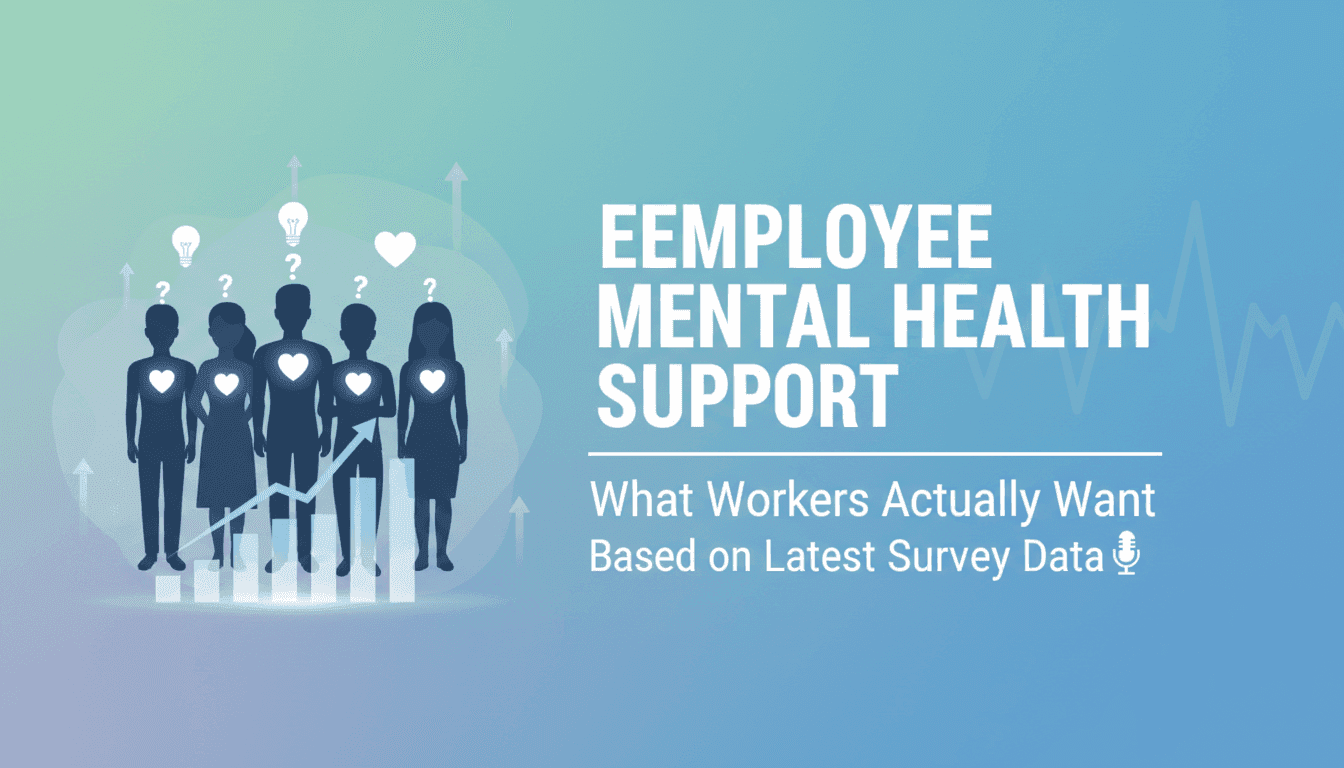
Table Of Contents
- The Growing Mental Health Crisis in Today's Workplace
- What the Survey Data Reveals About Employee Preferences
- The Gap Between What's Offered and What's Wanted
- Key Elements of Effective Mental Health Support
- How Psychological Capital Drives Better Outcomes
- Implementation Strategies That Actually Work
- Measuring Success Beyond Utilization Rates
- The Future of Workplace Mental Health Support
The conversation around employee mental health has shifted dramatically. What was once considered a peripheral benefit has become a central pillar of talent retention, productivity, and organizational success. Yet despite increased investment in mental health programs, many organizations are discovering a troubling reality: their well-intentioned initiatives are missing the mark.
Recent survey data from employees across multiple industries reveals a significant disconnect between what organizations provide and what employees actually need. While 87% of companies now offer some form of mental health support, only 23% of employees report that these programs meet their needs effectively. This gap represents both a challenge and an opportunity for forward-thinking organizations.
This article examines comprehensive survey data to understand what employees genuinely want from workplace mental health support, identifies the critical gaps in current approaches, and provides evidence-based strategies for creating programs that deliver meaningful impact. Whether you're reassessing your current Employee Assistance Program or building mental health support from the ground up, these insights will help you develop solutions that resonate with your workforce and drive measurable outcomes.
The Growing Mental Health Crisis in Today's Workplace
The statistics paint a sobering picture of workplace mental health. According to recent surveys, 76% of employees report experiencing at least one symptom of a mental health condition in the past year, with burnout, anxiety, and depression leading the list. The financial implications are equally concerning, with mental health-related absenteeism and presenteeism costing organizations an estimated $225 billion annually in lost productivity.
What makes this crisis particularly challenging is its complexity. Unlike physical health issues that often have clear symptoms and treatments, mental health challenges manifest differently across individuals and require personalized approaches. The pandemic accelerated this crisis, blurring boundaries between work and personal life while simultaneously removing traditional social support structures that many employees relied upon. Even as workplaces have adapted to hybrid and remote models, the psychological toll continues to accumulate.
The demographic data reveals important nuances. Younger employees, particularly those aged 25-35, report higher rates of mental health challenges and are more vocal about their needs for workplace support. Meanwhile, middle management faces unique pressures, caught between organizational demands and team wellbeing responsibilities. Senior leaders, though less likely to report struggles openly, often experience isolation and decision fatigue that impacts their mental health. Understanding these varied experiences is essential for designing support systems that actually reach those who need them most.
What the Survey Data Reveals About Employee Preferences
When asked directly what they want from workplace mental health support, employees' responses challenge many conventional assumptions. The data reveals five primary themes that consistently emerge across industries, organization sizes, and demographic groups.
Accessibility and Convenience tops the list, with 68% of surveyed employees citing this as their primary concern. Workers want support that fits seamlessly into their schedules, not programs that require extensive time commitments during working hours or complicated enrollment processes. The preference for digital-first options has grown significantly, with 54% of employees indicating they would prefer virtual counseling sessions over in-person meetings, primarily due to scheduling flexibility and reduced stigma.
Confidentiality and Trust emerged as the second most critical factor, mentioned by 61% of respondents. Many employees express concern that using workplace mental health resources might impact their career progression or how they're perceived by management. This fear is particularly pronounced in competitive corporate environments where vulnerability is sometimes mistaken for weakness. Employees want absolute assurance that their mental health journey remains private and separate from performance evaluations.
Variety of Support Options ranked third, with 59% of employees emphasizing the need for multiple pathways to support. The survey data shows that employees don't want a one-size-fits-all approach. Some prefer traditional therapy, others seek coaching or peer support groups, while many want access to self-directed resources like meditation apps or online courses. The key insight is that different challenges require different solutions, and employees want the autonomy to choose what works best for their unique situation.
Proactive Rather Than Reactive Support was highlighted by 52% of respondents who expressed frustration with programs that only engage after a crisis occurs. Employees want resources that help them build resilience, manage stress proactively, and develop psychological skills before issues escalate. This preference aligns with the growing understanding that mental health, like physical health, benefits from preventive care rather than emergency intervention alone.
Cultural Integration and Leadership Buy-In completed the top five, with 48% of employees stating that mental health support feels hollow when organizational culture doesn't genuinely prioritize wellbeing. Employees can quickly discern whether mental health initiatives are authentic commitments or merely compliance exercises. They want to see leaders modeling healthy behaviors, workloads that allow for reasonable work-life boundaries, and policies that genuinely support mental wellbeing rather than contradict it.
The Gap Between What's Offered and What's Wanted
The disparity between employee needs and current offerings reveals why so many mental health programs underperform despite good intentions. Traditional Employee Assistance Programs, while valuable, often fall short in several critical areas that survey respondents identified.
Most EAPs offer a limited number of counseling sessions, typically three to six per year. However, survey data indicates that 43% of employees who would use mental health support need ongoing care rather than brief interventions. This session limit creates a frustrating experience where employees begin to establish therapeutic rapport only to have services cut off when they're just starting to make progress. The result is that many employees don't bother engaging with programs they perceive as insufficient from the outset.
Another significant gap exists in awareness and education. Surprisingly, 37% of employees surveyed weren't sure whether their organization offered mental health support, and 52% didn't know how to access available resources. This suggests that communication strategies are failing to reach employees effectively. Simply having programs available means nothing if the workforce doesn't know they exist or understand how to utilize them.
The quality and specialization of providers represents another common disconnect. Many EAPs contract with large networks of generalist counselors, but employees increasingly want access to specialists who understand their specific challenges, whether that's trauma-informed care, neurodiversity support, or culturally competent practitioners who share their background and experiences. The survey found that 41% of employees who tried their company's mental health resources felt the providers didn't adequately understand their needs.
Timing and responsiveness issues also plague many programs. When someone reaches out for mental health support, they're often in acute distress. Yet many EAPs have wait times of two to four weeks for initial appointments. By the time support becomes available, the immediate crisis may have passed, or worse, the employee may have disengaged entirely. Survey respondents indicated that 56% would be less likely to seek help again after experiencing significant delays in accessing support.
Key Elements of Effective Mental Health Support
Drawing from both survey data and evidence-based practices, several elements consistently appear in programs that achieve high employee satisfaction and meaningful outcomes. Organizations looking to enhance their mental health support should prioritize these components.
Comprehensive Assessment and Personalized Pathways form the foundation of effective support. Rather than directing all employees toward the same resources, leading programs begin with assessments that identify individual needs, preferences, and readiness for different types of intervention. This approach, similar to iGrowFit's holistic ConPACT framework, ensures that each employee receives support calibrated to their specific situation. Someone experiencing acute crisis needs different resources than someone seeking to build stress management skills or someone navigating a major life transition.
Multi-Modal Support Options address the reality that different people benefit from different approaches. Effective programs include:
- Individual counseling and therapy with licensed professionals
- Group sessions and peer support communities
- Coaching focused on specific skills like resilience or emotional intelligence
- Self-directed digital resources including apps, courses, and guided content
- Crisis intervention services available 24/7
- Referral pathways to specialized care when needed
This variety allows employees to match their comfort level, schedule, and specific needs with appropriate resources. It also enables people to use different modalities at different times as their situations evolve.
Preventive and Skill-Building Resources distinguish exceptional programs from basic ones. Rather than waiting for problems to develop, proactive support helps employees develop psychological capital before they need it. This includes training in stress management, emotional regulation, mindfulness practices, communication skills, and resilience building. Organizations that invest in developing these capabilities often see reduced crisis interventions and better overall workforce wellbeing.
Integrated Wellness Approach recognizes that mental health doesn't exist in isolation. The most effective programs connect mental health support with physical health resources, financial wellness education, career development opportunities, and work-life integration support. Survey respondents indicated that 64% prefer programs that address wellbeing holistically rather than treating mental health as a separate silo.
Manager Training and Support emerged as a critical but often overlooked element. Managers are typically the first to notice when team members are struggling, yet most lack training in how to respond appropriately. Effective programs include manager education on recognizing signs of distress, having supportive conversations, making appropriate referrals, and creating team environments that support mental health. This investment multiplies the impact of formal programs by creating a supportive ecosystem throughout the organization.
How Psychological Capital Drives Better Outcomes
One of the most significant findings from recent workplace mental health research is the importance of building psychological capital—the positive psychological states that help individuals thrive even in challenging circumstances. This concept, which includes hope, efficacy, resilience, and optimism, provides a framework for understanding why some mental health interventions produce lasting change while others provide only temporary relief.
Psychological capital differs from simply treating symptoms. While addressing immediate mental health concerns remains important, developing psychological capital equips employees with enduring capabilities that improve their ability to navigate future challenges. Research demonstrates that employees with higher psychological capital experience less burnout, report greater job satisfaction, demonstrate better performance, and show improved mental health outcomes across multiple measures.
The practical application of psychological capital development involves several key strategies. First, organizations should provide resources that help employees identify and leverage their existing strengths rather than focusing exclusively on deficits or problems. This strength-based approach builds self-efficacy and creates positive momentum. Second, programs should incorporate goal-setting and pathway thinking that helps employees envision positive futures and identify realistic steps toward their aspirations. This builds hope, which research shows is a powerful protective factor against depression and anxiety.
Resilience training represents another critical component of psychological capital development. Rather than viewing resilience as an innate trait that people either have or lack, evidence-based programs teach specific skills that enhance adaptive capacity. These include cognitive reframing techniques, emotional regulation strategies, problem-solving approaches, and methods for maintaining social connections during difficult times. Survey data indicates that employees who participate in resilience training report 34% lower stress levels and 28% higher confidence in managing workplace challenges.
Optimism, the fourth element of psychological capital, involves developing realistic positive expectations about the future. This doesn't mean ignoring problems or maintaining false positivity, but rather cultivating the ability to identify opportunities within challenges and maintain confidence that effort leads to positive outcomes. Organizations can foster this through recognition programs, transparent communication about organizational direction, and creating environments where employees see concrete evidence that their contributions matter.
Implementation Strategies That Actually Work
Knowing what employees want and understanding the theoretical framework for effective support means little without practical implementation strategies. The survey data, combined with case studies from organizations achieving strong outcomes, reveals several approaches that translate vision into reality.
Start With Authentic Leadership Commitment. Mental health initiatives fail when they're perceived as HR checkbox exercises rather than genuine organizational priorities. Implementation should begin with leadership education that helps executives understand both the business case and human imperative for mental health support. Leaders should be prepared to share their own experiences with stress, seek support publicly when appropriate, and consistently reinforce that mental wellbeing is valued as highly as other performance metrics. Survey respondents indicated that 73% would be more likely to use mental health resources if they saw senior leaders openly discussing mental health and modeling healthy behaviors.
Conduct a Baseline Assessment. Before implementing new programs or modifying existing ones, organizations should gather data on current workforce mental health status, awareness of existing resources, barriers to utilization, and specific needs across different employee segments. This assessment might include anonymous surveys, focus groups, and analysis of existing program utilization patterns. The insights gathered ensure that subsequent investments address actual needs rather than assumed ones. Organizations that skip this step often invest heavily in resources that remain underutilized because they don't align with what employees actually need.
Design for Accessibility at Every Level. Implementation should eliminate as many barriers as possible. This means simple enrollment processes that don't require extensive paperwork, multiple access points including digital platforms and phone options, scheduling flexibility that accommodates different work schedules and time zones, and ensuring that resources are available in languages spoken by your workforce. The goal is to make seeking support the easiest possible choice rather than an obstacle course that discourages people before they even begin.
Communicate Continuously and Creatively. A single announcement about mental health resources will reach only a fraction of your workforce. Effective implementation requires ongoing communication through multiple channels including email, intranet posts, team meetings, posters in physical spaces, digital signboards, and integration into onboarding processes. The messaging should vary, sometimes highlighting specific resources, other times sharing stories of how programs have helped employees, and occasionally addressing common myths or concerns about seeking support. Organizations with high program utilization typically communicate about mental health resources at least monthly through diverse channels.
Create Feedback Loops and Iterate. Implementation shouldn't be treated as a one-time project but rather as an ongoing process of learning and refinement. Establish mechanisms for gathering employee feedback about what's working and what isn't, monitor utilization patterns to identify gaps, and be willing to modify programs based on what the data reveals. The most successful organizations treat mental health support as a living system that evolves in response to changing workforce needs rather than a static program that remains unchanged year after year.
Measuring Success Beyond Utilization Rates
Many organizations measure the success of mental health programs primarily through utilization rates—what percentage of employees accessed resources. While utilization matters, it's an incomplete metric that can be misleading. An organization might have high utilization because employees are in crisis, or low utilization because people are thriving, making the number difficult to interpret without additional context.
Survey data suggests that employees and mental health experts alike recommend a more comprehensive measurement approach that captures actual impact rather than just engagement. Outcome measures should include changes in employee-reported wellbeing, stress levels, and mental health symptoms over time. Organizations can track these through periodic surveys using validated instruments that measure psychological distress, burnout, engagement, and psychological capital.
Performance indicators provide another important dimension. While respecting privacy and avoiding simplistic cause-and-effect claims, organizations can examine aggregate trends in productivity metrics, absenteeism rates, turnover particularly among high performers, and use of sick time. Many organizations with mature mental health programs report that their most meaningful validation comes from seeing sustained improvements in these business metrics alongside better wellbeing scores.
Cultural indicators matter tremendously but are often overlooked. These include the frequency and quality of conversations about mental health in team meetings, manager confidence in supporting team member wellbeing, employee perceptions of psychological safety, and the degree to which mental health is integrated into leadership discussions rather than confined to wellness initiatives. Organizations can assess these through qualitative research methods including interviews and focus groups that capture the lived experience of mental health culture.
Demographic analysis reveals whether programs are reaching all employee populations equitably. Utilization and outcome data should be examined across different employee segments including job levels, departments, locations, age groups, and demographic categories. Discovering that certain populations aren't accessing resources or aren't experiencing the same positive outcomes should trigger investigation and program adjustments to ensure equitable support.
The most sophisticated measurement approaches also include longitudinal tracking that examines how individual employees progress over time while maintaining appropriate privacy protections. This might involve following cohorts who participated in specific interventions to understand sustained impact rather than just immediate effects. Research consistently shows that the most significant benefits of psychological capital development and mental health support often emerge months after initial interventions, making long-term tracking essential for accurate assessment.
The Future of Workplace Mental Health Support
As we look ahead, several trends are reshaping how organizations approach employee mental health support. Understanding these emerging patterns helps forward-thinking organizations position themselves to meet evolving employee expectations.
Personalization through technology is advancing rapidly. Artificial intelligence and machine learning are enabling mental health platforms to offer increasingly customized recommendations based on individual patterns, preferences, and needs. Rather than presenting employees with overwhelming arrays of resources, smart systems can suggest specific interventions based on assessment data, previous engagement patterns, and evidence about what works for people with similar profiles. This technology augments rather than replaces human support, helping people navigate to the right resources more efficiently.
Integration with overall people development represents a philosophical shift from treating mental health as crisis management to embedding it within holistic talent development. Leading organizations are recognizing that psychological wellbeing, performance, leadership capability, and career growth are interconnected rather than separate domains. This integrated approach aligns with comprehensive frameworks that address the whole person, ensuring that development initiatives build psychological capital alongside technical skills and business acumen.
Preventive and predictive approaches are gaining traction as organizations move beyond reactive support. Some companies are experimenting with systems that identify early warning signs of burnout or disengagement based on work pattern analysis, communication changes, or other behavioral indicators. While these approaches raise important privacy considerations that must be carefully managed, they hold potential for reaching employees before they reach crisis points.
Expanded support for specific populations reflects growing recognition that one-size-fits-all programs miss important needs. Organizations are developing specialized resources for caregivers managing both work and family responsibilities, employees with chronic health conditions, neurodivergent employees who benefit from different types of support, and employees from marginalized communities who may face unique stressors. This specialization ensures that diverse workforce needs receive appropriate attention.
Global and cultural competence has become essential as workforces become more distributed and diverse. Mental health concepts, stigma levels, help-seeking behaviors, and preferred interventions vary significantly across cultures. Organizations with global operations are investing in culturally adapted programs and providers who understand diverse cultural contexts rather than simply translating English-language resources into other languages.
The evidence is clear: employees want mental health support that is accessible, confidential, varied, proactive, and authentically integrated into organizational culture. Organizations that respond to these preferences with comprehensive, evidence-based programs position themselves to attract and retain talent, enhance performance, and fulfill their fundamental responsibility to support the people who drive their success. The question is no longer whether to invest in mental health support, but rather how to do so in ways that genuinely meet employee needs and drive meaningful outcomes.
As organizations continue to refine their approaches, partnerships with experienced EAP providers who understand both the psychological frameworks and practical implementation challenges become increasingly valuable. The most successful programs combine scientific evidence, genuine employee insight, and the flexibility to adapt as needs evolve.
The landscape of employee mental health support has reached a critical juncture. Survey data reveals both the urgency of the challenge and a clear roadmap toward solutions that employees actually want and will use. The gap between current offerings and employee needs represents an opportunity for organizations willing to listen carefully and respond thoughtfully.
Effective mental health support isn't about implementing the most expensive programs or following industry trends. It's about understanding your specific workforce, removing barriers to access, providing diverse pathways to support, building psychological capital proactively, and creating cultures where seeking help is normalized rather than stigmatized. Organizations that excel in this arena recognize that mental health support delivers value across multiple dimensions—for individual employees who gain tools to thrive, for teams that function more effectively, and for business outcomes that improve when people can bring their best selves to work.
The investment in comprehensive mental health support pays dividends that extend far beyond reduced healthcare costs or absenteeism. It creates workplaces where people feel genuinely valued, where resilience grows through both smooth periods and challenging times, and where human potential can fully develop. As we move forward, the organizations that thrive will be those that recognize mental health not as a peripheral benefit but as a central pillar of how they develop their people and achieve their mission.
The data is clear, the employee voice is strong, and the path forward is evident. The question now is whether your organization is ready to bridge the gap between what you offer and what your people actually need.
Ready to Transform Your Employee Mental Health Support?
At iGrowFit, we specialize in developing evidence-based Employee Assistance Programs that align with what your workforce actually needs. Our comprehensive ConPACT framework combines consultancy, profiling, assessments, coaching, and training to build psychological capital that drives lasting wellbeing and performance.
With over 15 years of experience supporting more than 450 organizations and impacting 75,000+ employees, we understand how to bridge the gap between good intentions and meaningful outcomes.
Let's discuss how we can help your organization create mental health support that your employees will actually use and value.
Connect with our team on WhatsApp to start the conversation about transforming your workplace mental health approach.