
Employee Recognition Program: How to Design, Launch & Measure Impact
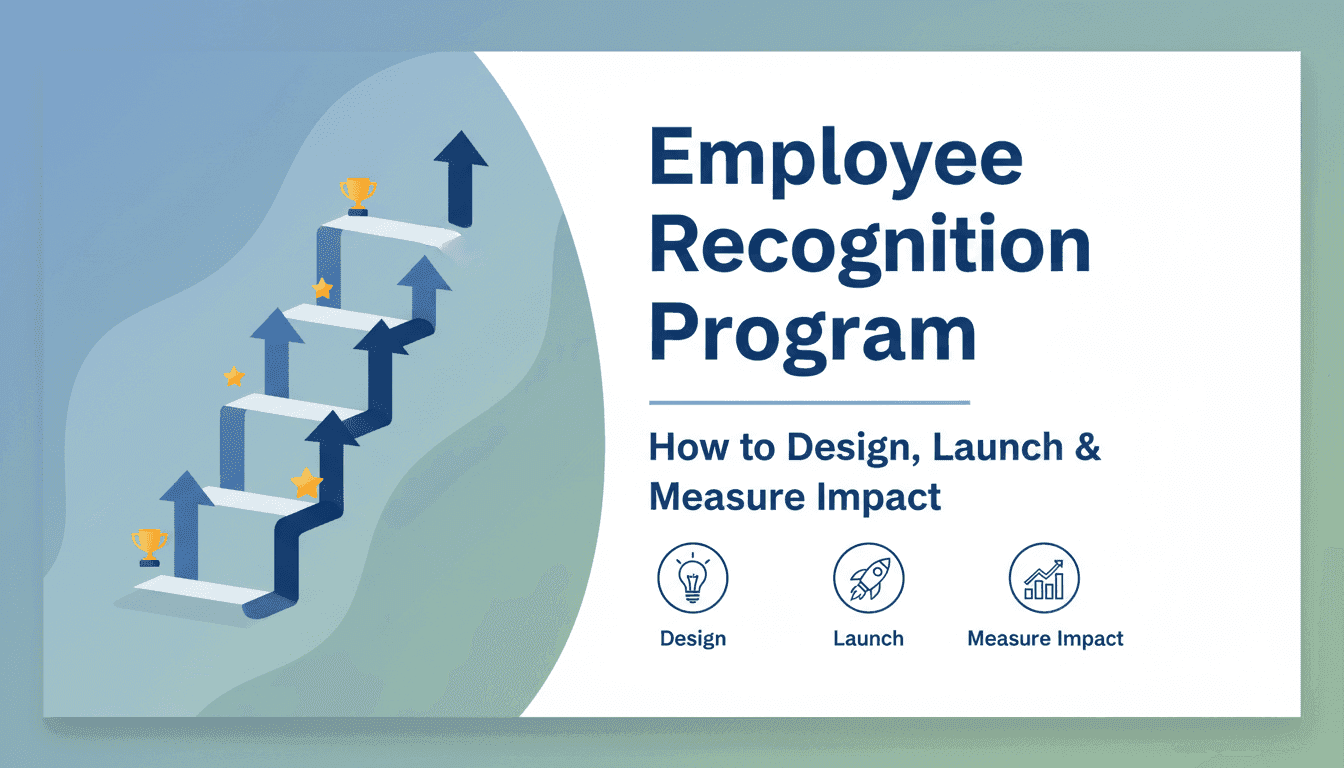
Table Of Contents
- Why Employee Recognition Programs Matter More Than Ever
- The Psychology Behind Recognition at Work
- Types of Employee Recognition Programs
- How to Design an Effective Employee Recognition Program
- Launching Your Program: A Step-by-Step Approach
- How to Measure the Impact of Your Recognition Program
- Common Pitfalls to Avoid
- How iGrowFit Supports Recognition-Driven Cultures
Employee Recognition Program: How to Design, Launch & Measure Impact
Imagine two employees with identical skill sets, performing the same role in different organisations. One feels seen, valued, and motivated to go the extra mile. The other feels invisible, producing just enough to get by. The difference is rarely about salary. More often, it comes down to recognition.
A well-structured employee recognition program is one of the most powerful, and often underutilised, tools in any organisation's people strategy. Research consistently shows that employees who feel genuinely recognised are more engaged, more productive, and significantly less likely to leave. Yet despite the evidence, many organisations still treat recognition as an afterthought, handing out the occasional 'Employee of the Month' plaque and calling it a culture.
This guide breaks down everything HR leaders, managers, and business owners need to know about building recognition programs that actually work. From the psychological foundations of recognition to practical design steps, launch strategies, and measurable outcomes, you will find a comprehensive roadmap for creating a culture where people feel motivated to consistently hit goals and finish tasks, every single day.
Why Employee Recognition Programs Matter More Than Ever {#why-recognition-matters}
The modern workplace has changed dramatically. With hybrid work arrangements, generational diversity, and growing mental health awareness reshaping how organisations function, the need for deliberate, meaningful recognition has never been greater. Employees are no longer satisfied with a steady pay cheque alone. They want to feel that their contributions matter, that their effort is noticed, and that they belong to something worth investing in.
The numbers reinforce this. According to Gallup, organisations with high employee engagement, which recognition directly fuels, experience 21% greater profitability and 59% lower turnover. Meanwhile, Deloitte research found that recognition-rich cultures enjoy employee productivity rates up to 14% higher than those without structured programs. For businesses working to sustain performance and retain top talent in competitive markets, these figures are impossible to ignore.
Beyond productivity metrics, recognition also plays a critical role in psychological wellbeing. When employees feel appreciated, cortisol (the stress hormone) decreases, dopamine increases, and a sense of purpose and connection grows. This is not a soft outcome. It directly correlates with fewer sick days, reduced burnout, and stronger team cohesion, all of which translate to measurable business results.
The Psychology Behind Recognition at Work {#psychology-of-recognition}
Understanding why recognition works is essential to designing programs that go beyond surface-level gestures. At iGrowFit, our multidisciplinary team of psychologists, coaches, and management consultants approaches employee development through the lens of psychological capital, which encompasses hope, efficacy, resilience, and optimism. Recognition is one of the most effective levers for building all four of these dimensions.
When an employee receives genuine, specific recognition, it reinforces their sense of self-efficacy. They believe more strongly that their actions lead to positive outcomes, and this belief encourages them to keep performing at a high level. Recognition also satisfies the deeply human need for belonging and social validation, two factors that Abraham Maslow identified as fundamental to human motivation decades ago and that remain just as relevant in today's workplace.
The key distinction here is between intrinsic and extrinsic recognition. Extrinsic recognition includes tangible rewards like bonuses, vouchers, or public awards. Intrinsic recognition is more personal, such as a heartfelt message from a manager, a shout-out in a team meeting, or being trusted with a meaningful new responsibility. Effective programs combine both, ensuring employees feel valued both materially and emotionally.
Types of Employee Recognition Programs {#types-of-recognition}
Not all recognition programs are created equal. Choosing the right type, or combination of types, depends on your organisation's culture, size, and goals. Here is a breakdown of the most common and effective formats:
- Peer-to-peer recognition: Employees nominate or recognise one another, fostering a culture of appreciation that does not rely solely on management. This approach is particularly effective at building horizontal trust and team cohesion.
- Manager-to-employee recognition: Structured or spontaneous acknowledgment from direct supervisors. These moments carry significant weight because employees place high value on being seen by the people who evaluate them.
- Performance-based awards: Tied directly to measurable outcomes such as sales targets, project delivery, or customer satisfaction scores. These programs are highly motivating for goal-oriented employees.
- Tenure or milestone recognition: Acknowledging years of service, career milestones, or life events like promotions and work anniversaries. These reinforce loyalty and long-term commitment.
- Values-based recognition: Employees are recognised specifically for demonstrating the organisation's core values, which reinforces the behaviours the organisation wants to see more of.
- Spot recognition: Informal, in-the-moment acknowledgment that does not require a formal process. A quick, sincere 'well done' during a team meeting can be surprisingly powerful.
The most effective employee recognition programs do not rely on just one type. They layer multiple approaches to ensure that different personality types, roles, and performance styles all feel included and valued.
How to Design an Effective Employee Recognition Program {#how-to-design}
Designing a recognition program requires more than picking a few award categories and setting a budget. It demands a strategic, people-centred approach that aligns with your organisation's values, goals, and workforce demographics. Here is how to build one that sticks.
Step 1: Define Clear Objectives
Start by asking what you want the program to achieve. Are you trying to reduce turnover? Improve team morale? Reinforce specific behaviours aligned with company values? Your objectives will shape every other design decision, from the types of recognition offered to the frequency and measurement approach. Without clarity here, even a well-funded program can miss the mark entirely.
Step 2: Understand Your Workforce
Conduct surveys, focus groups, or assessments to understand what recognition means to your employees. This is where profiling and diagnostic tools, like those within iGrowFit's ConPACT framework, become particularly valuable. Different generations, cultures, and personality types respond to recognition differently. What motivates a high-performing introvert may differ significantly from what energises an extroverted team leader.
Step 3: Establish Criteria and Consistency
One of the fastest ways to undermine a recognition program is to make it feel arbitrary or unfair. Define clear, transparent criteria for recognition, whether it is tied to specific behaviours, measurable outcomes, or peer nominations. Consistency builds trust, and trust is the foundation of any effective people initiative.
Step 4: Allocate Budget Thoughtfully
Recognition does not have to be expensive to be effective, but budget allocation still matters. Financial rewards, experiential prizes, professional development opportunities, and public acknowledgment each carry different levels of impact for different employees. Balance monetary and non-monetary options to maximise reach and resonance across your workforce.
Step 5: Build in Frequency and Variety
An annual awards night is a nice tradition, but it is not a recognition strategy. Effective programs build in regular touchpoints, including weekly team shout-outs, monthly peer nominations, quarterly awards, and annual milestone recognition. Variety keeps the program fresh and ensures that different contributions are celebrated at the right moments.
Launching Your Program: A Step-by-Step Approach {#launching-the-program}
Even the best-designed program can fall flat without a strong launch. Here is how to introduce your employee recognition program in a way that generates genuine enthusiasm and sustainable participation.
-
Secure leadership buy-in – Recognition programs succeed when leaders model the behaviour themselves. Before the official launch, brief your leadership team on the program's purpose, criteria, and expectations. Their participation sends a powerful signal to the rest of the organisation.
-
Communicate the 'why' clearly – Employees are more likely to engage with a program when they understand its purpose. Share the research, the values it supports, and what the organisation hopes to achieve. Transparency builds credibility.
-
Train managers and team leads – Managers are often the delivery mechanism for recognition. Provide them with the language, tools, and confidence to recognise their teams meaningfully and consistently. This is an area where coaching support, such as that provided through iGrowFit's coaching services, can make a significant difference.
-
Create a simple, accessible process – If recognising a colleague requires navigating a complicated system or approval chain, participation will drop quickly. Make the process as frictionless as possible, whether it is a digital platform, a shared channel, or a simple nomination form.
-
Launch with visibility and energy – Use a team event, all-hands meeting, or company-wide communication to officially kick off the program. Celebrate the first round of recognition publicly to set the tone and demonstrate that the program is real and meaningful.
-
Gather early feedback – Within the first 30 to 60 days, survey employees and managers about their experience. Use this feedback to refine the program before habits are set.
How to Measure the Impact of Your Recognition Program {#measuring-impact}
A recognition program without measurement is a hope, not a strategy. To justify investment and drive continuous improvement, organisations need to track both qualitative and quantitative outcomes.
Key metrics to monitor include:
- Employee engagement scores: Use validated engagement surveys administered before and after program implementation to track changes in overall engagement levels.
- Turnover and retention rates: Compare voluntary attrition rates over time, particularly in teams or departments where the program is most active.
- Participation rates: Track how many employees are giving and receiving recognition, and identify teams where participation is low so you can investigate and intervene.
- Productivity and performance data: Look for correlations between recognition activity and performance outcomes, such as project completion rates, sales figures, or customer satisfaction scores.
- Absenteeism trends: Reduced absenteeism is often an early indicator of improved morale and wellbeing, both of which recognition directly influences.
- Qualitative feedback: Pulse surveys, focus groups, and exit interview data can reveal how employees feel about the program and what changes would make it more meaningful.
The most sophisticated organisations do not just measure outcomes; they analyse the data to understand which types of recognition drive which outcomes in which teams. This level of insight allows for genuine program optimisation over time.
Common Pitfalls to Avoid {#common-pitfalls}
Even well-intentioned recognition programs can backfire if they are not carefully designed and maintained. Here are the most common mistakes organisations make and how to sidestep them.
Recognising the same people repeatedly is one of the fastest ways to demoralise the majority of your workforce. If your program consistently surfaces the same high-visibility individuals while quieter contributors go unnoticed, resentment builds. Build in mechanisms to ensure diverse representation across roles, teams, and contribution types.
Generic or insincere recognition can actually do more harm than no recognition at all. A mass email saying 'great job everyone' signals that nobody actually noticed anything specific. Train leaders and employees to make recognition specific, timely, and personal.
Making recognition feel like a performance is another trap. When awards become more about optics than genuine appreciation, employees disengage. Keep the focus on meaning, not spectacle.
Failing to sustain the program is perhaps the most common pitfall. Recognition initiatives that launch with fanfare and quietly disappear within six months send a demoralising message about organisational follow-through. Assign ownership, set review cycles, and treat the program as a living initiative rather than a one-time project.
How iGrowFit Supports Recognition-Driven Cultures {#igrowfit-support}
Building a culture of recognition is not a standalone HR initiative. It is part of a broader commitment to developing your people's psychological capital and creating the conditions for sustained high performance. This is precisely the work that iGrowFit has been doing with organisations across Southeast Asia since 2009.
Through our ConPACT framework, which integrates Consultancy, Profiling, Assessments, Coaching, and Training, we help organisations design people strategies that go beyond recognition programs to build genuinely thriving workplace cultures. Our team of psychologists, coaches, and management consultants works alongside HR leaders and business owners to diagnose gaps, design bespoke interventions, and measure outcomes with rigour.
We have supported over 450 Fortune 500 companies, MNCs, and SMEs, and have seen firsthand how the right combination of recognition, development, and wellbeing support transforms not just individual performance but entire organisational cultures. When people feel seen, supported, and equipped to succeed, they consistently hit goals and finish tasks, and that is exactly the kind of workforce every business deserves.
Building Recognition Into the DNA of Your Organisation
An employee recognition program is far more than a feel-good initiative. When designed thoughtfully, launched with clarity, and measured with rigour, it becomes one of the most powerful investments an organisation can make in its people and its performance.
The organisations that get this right do not treat recognition as a once-a-year event or a budget line item. They embed it into their culture, their management practices, and their leadership philosophy. They understand that when people feel genuinely valued, they bring their best selves to work, day after day.
Whether you are starting from scratch or looking to revitalise an existing program, the principles in this guide provide a solid foundation. The next step is taking action, and if you would like expert support in building a recognition-driven culture that delivers measurable results, iGrowFit is ready to help.
Ready to build a recognition culture that drives real performance?
Speak with an iGrowFit consultant today. Our team of psychologists, coaches, and organisational experts can help you design, launch, and measure an employee recognition program tailored to your people and your goals.
Let's build a workplace where your people thrive, and your business grows.