
Executive Burnout: Warning Signs, Recovery Strategies & Prevention
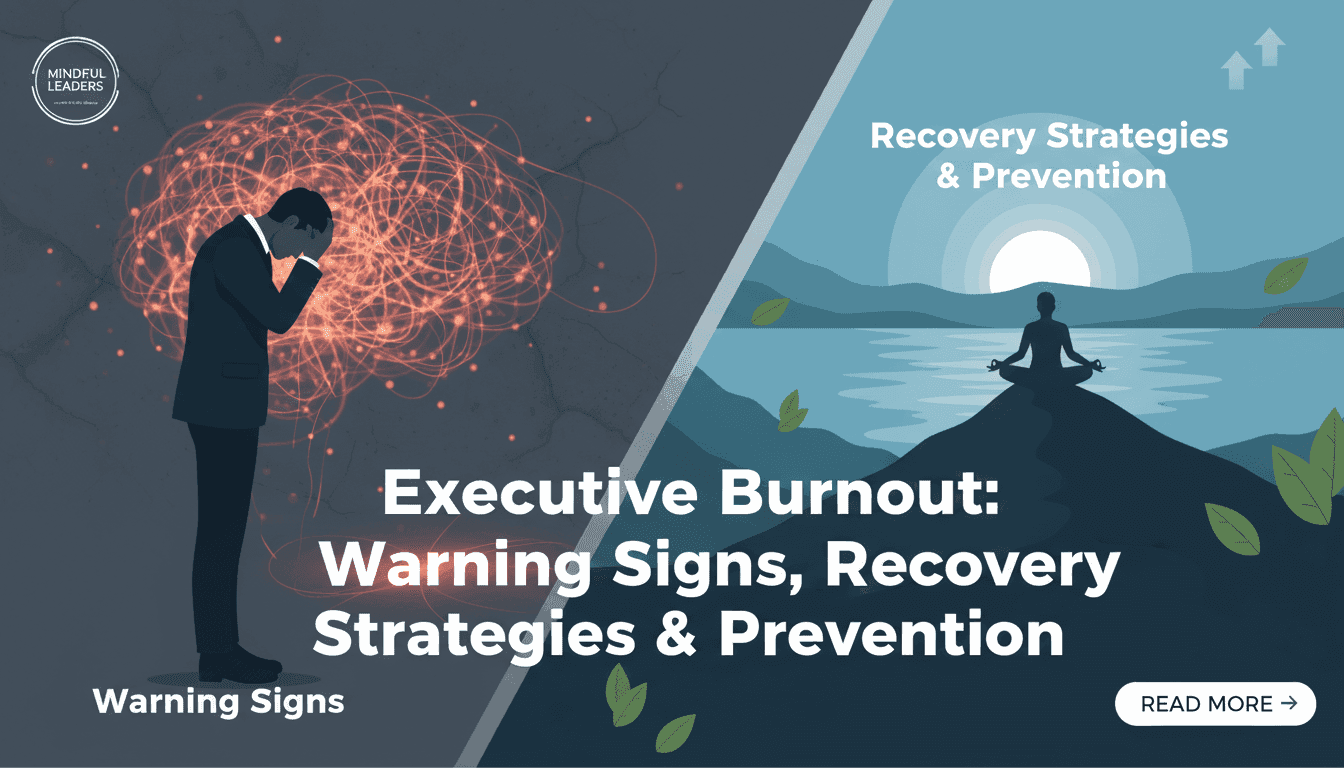
Table Of Contents
- Understanding Executive Burnout: More Than Just Stress
- The High Cost of Leadership Exhaustion
- Warning Signs of Executive Burnout
- Root Causes of Executive Burnout
- Recovery Strategies: The Path Back to Peak Performance
- Prevention: Creating Burnout-Resistant Leadership
- The Role of Psychological Capital in Burnout Prevention
- Moving Forward: Sustainable Leadership Excellence
The corner office comes with prestige, influence, and responsibility, but it also carries a hidden occupational hazard that's reaching epidemic proportions. Executive burnout has become one of the most pervasive yet underaddressed challenges facing modern leadership. Unlike temporary stress or fatigue, burnout represents a state of chronic physical, emotional, and mental exhaustion that fundamentally undermines an executive's ability to lead effectively.
Research indicates that up to 60% of C-suite executives experience moderate to severe burnout symptoms, yet the majority continue pushing forward without addressing the underlying issues. The stakes extend far beyond individual wellbeing. When executives burn out, the ripple effects cascade throughout entire organizations, affecting strategic decision-making, company culture, employee engagement, and ultimately, business performance.
Recognizing burnout early and implementing evidence-based recovery and prevention strategies isn't just about self-care; it's a business imperative. This comprehensive guide examines the warning signs that signal executive burnout, explores proven recovery strategies grounded in psychological research, and outlines prevention frameworks that create sustainable leadership excellence. Whether you're an executive experiencing these challenges firsthand or an organizational leader committed to supporting your leadership team, understanding executive burnout is the first step toward building resilient, high-performing leadership capacity.
Understanding Executive Burnout: More Than Just Stress {#understanding-executive-burnout}
Executive burnout differs fundamentally from the everyday stress that comes with leadership responsibilities. While stress typically involves too much pressure, demands, or urgency, burnout represents a state of depletion where executives feel empty, unmotivated, and beyond caring. It's characterized by three core dimensions that psychologists have identified through decades of research: emotional exhaustion, depersonalization or cynicism, and a diminished sense of personal accomplishment.
Emotional exhaustion manifests as a complete depletion of emotional resources, where executives feel drained even after rest and unable to give more of themselves. Depersonalization emerges as a defense mechanism, creating emotional distance from work, colleagues, and stakeholders, often accompanied by cynicism about organizational goals and initiatives. The reduced sense of accomplishment undermines confidence, making even significant achievements feel hollow and questioning one's effectiveness as a leader.
What makes executive burnout particularly insidious is that the very traits that propel leaders to senior positions often become contributors to burnout. High achievement orientation, perfectionism, strong sense of responsibility, and difficulty delegating create a perfect storm when combined with the intense demands of executive roles. Additionally, the isolation that often accompanies senior leadership positions means executives have fewer peers with whom they can share vulnerabilities or seek support, compounding the challenge.
The High Cost of Leadership Exhaustion {#the-high-cost-of-leadership-exhaustion}
The impact of executive burnout extends far beyond the individual experiencing it, creating tangible costs across multiple dimensions. From a personal health perspective, chronic burnout increases the risk of cardiovascular disease, weakens immune function, contributes to sleep disorders, and significantly elevates the likelihood of depression and anxiety disorders. Executives experiencing burnout are also more prone to substance use as a coping mechanism and face higher rates of relationship breakdown both personally and professionally.
Organizationally, burned-out executives make poorer strategic decisions, demonstrate reduced creativity and innovation, and struggle with complex problem-solving. Their diminished emotional capacity affects their ability to inspire and motivate teams, leading to decreased employee engagement and higher turnover rates, particularly among high performers. The financial implications are substantial, with research suggesting that replacing a C-suite executive costs organizations between 200% to 400% of their annual salary when accounting for recruitment, onboarding, lost productivity, and the disruption to organizational momentum.
Perhaps most concerning is that executive burnout creates cultural contagion. When leaders operate in a perpetual state of exhaustion, they inadvertently normalize overwork, set unrealistic expectations, and create environments where burnout becomes endemic throughout the organization. This culture of burnout undermines the very foundation of sustainable high performance that organizations need to thrive in competitive markets.
Warning Signs of Executive Burnout {#warning-signs-of-executive-burnout}
Recognizing burnout early creates more options for effective intervention. Executives and those who support them need to watch for warning signs across physical, emotional, and behavioral domains. These indicators often emerge gradually, making them easy to dismiss or rationalize, but their persistence and combination signal the need for attention.
Physical Warning Signs {#physical-warning-signs}
The body often sounds the first alarm when burnout is developing. Chronic fatigue that doesn't improve with rest becomes a constant companion for burned-out executives. Despite sleeping adequately, they wake feeling exhausted and struggle to summon energy throughout the day. Frequent headaches, muscle tension particularly in the neck and shoulders, and digestive issues like stomach pain or changes in appetite frequently accompany this exhaustion.
Many executives notice increased susceptibility to illness as their immune systems become compromised by chronic stress. What used to be an occasional cold becomes frequent infections, longer recovery times, and a general sense of physical vulnerability. Sleep disturbances present another key indicator, whether difficulty falling asleep, frequent waking, or non-restorative sleep patterns that leave executives feeling unrested regardless of hours spent in bed.
Emotional and Mental Warning Signs {#emotional-and-mental-warning-signs}
The emotional landscape of burnout is characterized by a pervasive sense of emptiness and detachment. Executives find themselves going through the motions without genuine engagement or enthusiasm for work that once excited them. This emotional flatness extends to both achievements and setbacks, which no longer generate appropriate emotional responses. Cynicism creeps into thinking patterns, transforming previously optimistic leaders into skeptics who question motives, doubt outcomes, and expect disappointment.
Increased irritability and impatience become noticeable to colleagues and family members. Small frustrations that executives once handled with grace now trigger disproportionate reactions. Many also experience a sense of ineffectiveness or self-doubt despite objective evidence of their capabilities and contributions. This imposter syndrome intensifies as burnout progresses, creating a disconnect between external success and internal experience.
Anxiety and feelings of dread about work responsibilities mark another critical warning sign. Executives may experience Sunday evening anxiety, dread checking emails, or feel overwhelming pressure when facing their calendar. Some describe a sense of being trapped with no good options, leading to hopelessness about their situation improving.
Behavioral and Performance Warning Signs {#behavioral-and-performance-warning-signs}
Burnout manifests in changed behaviors that astute observers can identify. Procrastination increases as executives delay decisions or avoid tackling important strategic issues. Tasks that should take hours extend over days or weeks as burned-out leaders struggle with concentration and decision-making. Withdrawal from colleagues, decreased participation in meetings, and avoiding previously valued professional relationships signal emotional exhaustion.
Performance changes become evident in several ways. Executives miss deadlines they would have previously met, deliver work that doesn't reflect their usual standards, or make uncharacteristic errors in judgment. Their strategic thinking becomes reactive rather than proactive, focused on immediate firefighting rather than long-term vision. Many burned-out executives also increase their working hours in an attempt to compensate for decreased effectiveness, creating a vicious cycle that accelerates rather than resolves burnout.
Changes in self-care habits provide another important indicator. Previously health-conscious executives abandon exercise routines, make poor nutritional choices, increase alcohol consumption, or neglect activities that once provided joy and renewal. These behavioral shifts both result from and contribute to deepening burnout.
Root Causes of Executive Burnout {#root-causes-of-executive-burnout}
Understanding the underlying causes of executive burnout is essential for developing effective recovery and prevention strategies. While each executive's experience is unique, several common factors consistently emerge as primary contributors to leadership exhaustion.
The always-on expectation of modern executive roles creates relentless demand without natural boundaries. Technology enables constant connectivity, blurring lines between professional and personal time. Many executives feel compelled to respond to communications at all hours, review documents during evenings and weekends, and remain perpetually available to stakeholders. This chronic activation prevents the psychological detachment necessary for recovery and renewal.
Role ambiguity and conflicting demands place executives in impossible positions. They face pressure to deliver short-term results while building long-term capabilities, to cut costs while investing in growth, to be decisive while being collaborative. These competing priorities without clear frameworks for resolution create sustained cognitive and emotional load that depletes psychological resources.
Lack of control over key factors affecting success generates learned helplessness. Despite senior positions, many executives find themselves constrained by board demands, market forces, regulatory requirements, and organizational politics that limit their autonomy. When effort doesn't translate into desired outcomes due to factors beyond their control, motivation and engagement naturally decline.
Insufficient support and resources to accomplish expected outcomes creates a gap between responsibility and capability. Executives are held accountable for results but may lack adequate budget, talent, or organizational infrastructure to achieve them. This responsibility without authority becomes a source of chronic frustration and stress.
Values misalignment between personal principles and organizational practices creates moral injury. When executives must implement decisions or support directions that conflict with their values, the internal dissonance drains emotional energy and undermines sense of purpose. Over time, this values conflict erodes the meaning and satisfaction that sustains engagement through difficult challenges.
Recovery Strategies: The Path Back to Peak Performance {#recovery-strategies}
Recovering from executive burnout requires intentional intervention across multiple dimensions. While the specific path varies by individual, effective recovery typically involves immediate actions to stabilize the situation, sustainable practices to rebuild capacity, and often professional support to navigate the journey.
Immediate Recovery Actions {#immediate-recovery-actions}
The first step in recovery involves honest acknowledgment of the situation. Many executives resist admitting they're experiencing burnout due to concerns about perception or beliefs that they should be able to handle anything. However, recognizing and naming burnout removes the additional burden of denial and creates space for constructive action. This acknowledgment might involve confidential conversations with trusted advisors, family members, or professional counselors who can provide perspective and support.
Creating breathing room becomes essential for initiating recovery. This might mean rescheduling non-critical commitments, delegating responsibilities more extensively than usual, or in severe cases, taking a brief leave of absence. The goal isn't to abandon responsibilities but to create enough space to implement recovery strategies. Many executives find that being transparent with their boards or leadership teams about needing to adjust pace gains support rather than judgment, particularly when framed as maintaining long-term effectiveness.
Re-establishing basic self-care foundations provides the physiological basis for recovery. Prioritizing sleep by setting firm boundaries around bedtime, creating sleep-conducive environments, and limiting evening screen time helps restore the rest essential for cognitive and emotional function. Returning to regular physical activity, even in modest forms like daily walks, reactivates stress-reduction mechanisms and improves mood through neurochemical changes. Attention to nutrition, particularly avoiding excessive caffeine and alcohol while ensuring adequate hydration and balanced meals, supports overall resilience.
Building Sustainable Recovery Practices {#building-sustainable-recovery-practices}
Beyond immediate stabilization, sustainable recovery requires developing new patterns that address root causes rather than just managing symptoms. Setting clear boundaries represents a fundamental shift for many executives. This involves defining specific times when they will be unavailable for work communications, protecting personal time for relationships and activities that provide renewal, and learning to say no to commitments that don't align with core responsibilities or recovery needs. Effective boundaries require both personal commitment and communicating expectations to stakeholders who may be accustomed to unlimited access.
Reconnecting with purpose and meaning helps restore the sense of accomplishment that burnout erodes. This might involve reflecting on why the executive role matters, identifying specific aspects of the work that align with personal values, and finding ways to increase time spent on these meaningful activities. Some executives benefit from revisiting their career narrative, remembering what drew them to leadership and how their work contributes to outcomes they care about. Others find renewed purpose by engaging in mentoring, community service, or other activities that remind them of their positive impact.
Rebuilding social connections counteracts the isolation that both contributes to and results from burnout. This includes strengthening personal relationships that may have been neglected during the burnout progression, reconnecting with professional peers who can provide understanding and perspective, and potentially joining executive peer groups or leadership forums. These relationships provide both practical support through sharing challenges and strategies, and emotional support through the validation that comes from being understood.
Developing psychological flexibility through mindfulness or similar practices builds resilience against future burnout. Rather than trying to eliminate stressors, which is often impossible in executive roles, psychological flexibility involves changing one's relationship with stress. Mindfulness practices help executives notice stress reactions without being controlled by them, create space between stimulus and response, and maintain effectiveness even amid challenging circumstances. Regular practice, even brief daily sessions, accumulates benefits over time.
Professional Support and Intervention {#professional-support-and-intervention}
Many executives find that professional support significantly accelerates and deepens recovery. Executive coaching provides a confidential space to explore burnout dynamics, identify underlying patterns, and develop personalized strategies aligned with individual circumstances and goals. Coaches with expertise in leadership development and psychological capital can help executives rebuild confidence, clarify priorities, and navigate organizational dynamics that contributed to burnout.
Psychological counseling or therapy becomes particularly valuable when burnout has triggered or is complicated by depression, anxiety, or other mental health concerns. Licensed psychologists and counselors offer evidence-based interventions that address both burnout symptoms and underlying psychological factors. They can also help executives process difficult emotions, develop coping strategies, and address thought patterns that perpetuate exhaustion.
Comprehensive Employee Assistance Programs like those offered by iGrowFit provide integrated support that addresses burnout from multiple angles. Through a combination of psychological profiling to understand individual patterns, coaching to develop new strategies, and evidence-based training in resilience and stress management, these programs offer the holistic approach that executive burnout requires. The multi-disciplinary team approach ensures that executives receive support tailored to their specific needs while maintaining the confidentiality essential for senior leaders.
In some cases, medical consultation becomes necessary to address physical health impacts of burnout or to determine whether medication might support recovery, particularly if depression or anxiety disorders have developed. Working with healthcare providers who understand the unique pressures of executive roles helps ensure that recommendations are realistic and sustainable.
Prevention: Creating Burnout-Resistant Leadership {#prevention-creating-burnout-resistant-leadership}
While recovery from burnout is possible, prevention represents the more effective strategy. Building burnout-resistant leadership requires both personal practices that build resilience and organizational systems that support sustainable high performance.
Personal Prevention Strategies {#personal-prevention-strategies}
Proactive boundary-setting prevents the gradual erosion that leads to burnout. This means establishing and maintaining clear distinctions between work and personal time, creating daily routines that include non-negotiable recovery activities, and regularly reviewing commitments to ensure they align with priorities rather than accumulating through default. Effective executives treat boundaries not as limitations but as enabling structures that make sustained high performance possible.
Building and maintaining diverse sources of identity and satisfaction reduces vulnerability to work-related burnout. When professional identity dominates completely, any threat to work success becomes an existential crisis. Executives who invest in family relationships, friendships, hobbies, community involvement, or other domains create resilience through diversification. These alternative identity sources provide perspective during work challenges and offer renewal through engagement in different contexts.
Developing strong self-awareness through regular reflection helps executives notice early warning signs before they become crises. This might involve weekly reviews of energy levels and engagement, monthly assessments of work-life integration, or working with a coach to maintain perspective on patterns and trends. Self-awareness also enables executives to understand their personal triggers, limits, and optimal operating conditions, allowing for proactive adjustments rather than reactive crisis management.
Continuous learning and development keeps executive work engaging and meaningful. When executives stop growing, roles can become routine despite high demands, contributing to the diminished sense of accomplishment characteristic of burnout. Pursuing new skills, taking on stretch assignments that genuinely interest them, and engaging with ideas outside their immediate domain maintains the intellectual stimulation that sustains engagement.
Cultivating a support network before it's needed creates resources for navigating challenges. This includes building genuine relationships with executive peers who understand leadership pressures, maintaining connection with mentors or advisors who can provide perspective, and ensuring family and friends understand enough about work realities to offer meaningful support. These relationships require investment during good times to be available during difficult ones.
Organizational Prevention Framework {#organizational-prevention-framework}
While individual strategies are important, sustainable prevention requires organizational commitment to creating environments that support rather than undermine executive wellbeing. Progressive organizations recognize that protecting leadership capacity represents a strategic priority, not a soft concern.
Realistic role design with clear priorities prevents the impossible expectations that drive burnout. This involves honest assessment of what can reasonably be accomplished, explicit prioritization rather than expecting executives to manage everything simultaneously, and ensuring that authority matches responsibility. Regular role reviews ensure that executive positions evolve appropriately rather than accumulating unrealistic demands over time.
Creating cultures that normalize recovery and boundaries starts at the top. When boards and senior leaders model sustainable practices, take vacations, set communication boundaries, and discuss the importance of wellbeing, they give permission for others to do the same. Organizations that celebrate sustainable high performance rather than glorifying overwork create fundamentally different expectations and norms.
Providing access to robust support systems ensures executives can get help before reaching crisis points. This includes offering executive coaching as a standard developmental resource rather than a remedial intervention, providing access to Employee Assistance Programs with expertise in leadership challenges, and creating peer support structures like executive forums or leadership development cohorts. Making these resources normal and expected removes the stigma that prevents many executives from seeking support early.
Regular assessment of executive wellbeing through confidential surveys or check-ins creates early warning systems for burnout risk. Organizations committed to prevention track leading indicators like engagement, stress levels, and work-life integration, then respond proactively when concerns emerge. This systemic approach catches problems before they become crises and demonstrates genuine organizational commitment to leadership sustainability.
Succession planning and talent development reduces the indispensability trap that contributes to executive burnout. When strong bench strength exists, individual executives can take necessary recovery time without organizational crisis. This requires investment in developing leadership capacity throughout the organization, creating clear developmental pathways, and ensuring knowledge transfer occurs continuously rather than only at transition points.
The Role of Psychological Capital in Burnout Prevention {#the-role-of-psychological-capital}
One of the most effective frameworks for understanding and preventing executive burnout involves developing psychological capital, the positive psychological resources that enable leaders to navigate challenges without depleting themselves. Psychological capital comprises four key dimensions: hope, efficacy, resilience, and optimism, each of which can be deliberately developed through evidence-based approaches.
Hope in this context involves both the will to pursue goals and the capacity to identify multiple pathways toward objectives. Executives high in hope don't become paralyzed when one approach fails but can envision and pursue alternatives. Developing hope involves goal-setting practices that identify multiple strategies, building problem-solving skills that generate options, and cultivating the agency to believe that effort matters.
Efficacy represents confidence in one's ability to mobilize resources and take action to succeed at challenging tasks. Executive efficacy develops through mastery experiences, vicarious learning from observing other successful leaders, social persuasion from trusted advisors, and interpreting physiological and emotional states accurately. Organizations can support efficacy development by providing stretch assignments with appropriate support, facilitating peer learning opportunities, and offering coaching that builds confidence.
Resilience involves bouncing back from adversity, failure, or even positive changes that require adaptation. While some individuals have natural resilience, research demonstrates that it can be systematically developed through practices that build emotional regulation, cognitive flexibility, and strong support networks. Resilience training helps executives reframe setbacks as learning opportunities, maintain perspective during difficulties, and recover more quickly from inevitable challenges.
Optimism, particularly realistic optimism, involves making positive but accurate attributions about the causes of events and expectations about the future. Optimistic executives attribute positive events to stable, personal causes and negative events to specific, temporary circumstances, maintaining motivation and engagement. Developing realistic optimism involves recognizing and challenging overly pessimistic thought patterns while remaining grounded in accurate assessment of situations.
Organizations that systematically develop psychological capital in their executive populations create burnout resistance at scale. The ConPACT framework that iGrowFit employs integrates psychological capital development through profiling that identifies current levels across these dimensions, coaching that addresses individual development needs, and training that builds capabilities systematically. This evidence-based approach recognizes that preventing burnout requires more than stress management techniques; it demands building the psychological resources that enable sustainable high performance.
Moving Forward: Sustainable Leadership Excellence {#moving-forward}
Executive burnout represents a complex challenge that requires both individual and organizational responses. The warning signs spanning physical exhaustion, emotional depletion, and behavioral changes provide opportunities for early intervention when recovery is most straightforward. Recognition that burnout results from systemic factors like unrealistic demands, insufficient support, and values misalignment points toward comprehensive solutions rather than individual blame.
Recovery is possible through immediate stabilization, sustainable practice development, and often professional support. The path back to effectiveness involves honest acknowledgment, boundary restoration, reconnection with purpose, and building psychological flexibility. Organizations that provide access to comprehensive support like executive coaching, counseling, and integrated Employee Assistance Programs enable executives to recover more fully and quickly.
Prevention offers the most effective approach, requiring both personal strategies that build resilience and organizational commitments that create sustainable high-performance cultures. Developing psychological capital through evidence-based approaches provides the foundation for burnout-resistant leadership that can navigate inevitable challenges without depleting critical resources.
For executives currently experiencing burnout, taking the first step toward recovery represents an act of leadership, not weakness. For organizations, creating systems and cultures that prevent burnout demonstrates strategic wisdom in protecting the leadership capacity that drives sustainable success. The conversation about executive burnout is shifting from silent suffering to proactive support, opening new possibilities for leadership excellence that doesn't require sacrificing wellbeing.
Whether you're an executive seeking support for yourself or a leader committed to creating a healthier organization, understanding that burnout is addressable represents the essential first step. With the right strategies, support, and commitment, sustainable high performance becomes not just aspirational but achievable.
Executive burnout has emerged as one of the most significant challenges facing modern organizations, affecting not just individual leaders but entire company cultures and business outcomes. The warning signs spanning physical exhaustion, emotional depletion, and performance changes provide critical opportunities for early intervention. When recognized promptly and addressed comprehensively, burnout need not become a career-defining crisis.
Recovery requires more than temporary rest or superficial wellness initiatives. It demands honest acknowledgment, strategic boundary-setting, reconnection with purpose, and often professional support that addresses both symptoms and underlying causes. Prevention offers an even more powerful approach, combining personal practices that build psychological capital with organizational systems that support sustainable excellence rather than glorifying exhaustion.
The most progressive organizations recognize that protecting executive capacity represents a strategic imperative, not a soft concern. By creating cultures that normalize recovery, providing robust support systems, and systematically developing psychological resources like hope, efficacy, resilience, and optimism, they build burnout-resistant leadership at scale. This investment in leadership sustainability pays dividends through better decision-making, stronger organizational cultures, and ultimately superior business performance.
For the executive experiencing burnout, remember that seeking support demonstrates wisdom and leadership, not weakness. For organizational leaders, creating environments where executives can thrive sustainably represents one of the most important strategic decisions you'll make. The path to leadership excellence doesn't require sacrificing wellbeing; it requires integrating both into a coherent approach to sustainable high performance.
Take the First Step Toward Sustainable Leadership Excellence
If you're an executive experiencing burnout or an organizational leader committed to creating a healthier, high-performing culture, professional support can make all the difference. iGrowFit's comprehensive Employee Assistance Program offers the integrated approach that executive burnout requires, combining psychological expertise with deep understanding of leadership challenges.
Our multi-disciplinary team of psychologists, coaches, and consultants provides confidential, evidence-based support tailored to your unique situation. Through our ConPACT framework—Consultancy, Profiling, Assessments, Coaching, and Training—we address burnout from all angles, helping you recover effectively and build sustainable practices that prevent recurrence.
With experience supporting over 75,000 employees across 450+ Fortune 500 companies, MNCs, and SMEs since 2009, we understand the unique pressures of executive leadership and know what works. Don't wait until burnout becomes a crisis.
Contact us on WhatsApp to discuss how we can support your journey toward sustainable leadership excellence. Your wellbeing and effectiveness as a leader are too important to leave to chance.