
Nutritional Psychiatry & Workplace Snacks: How Brain Foods Boost Productivity
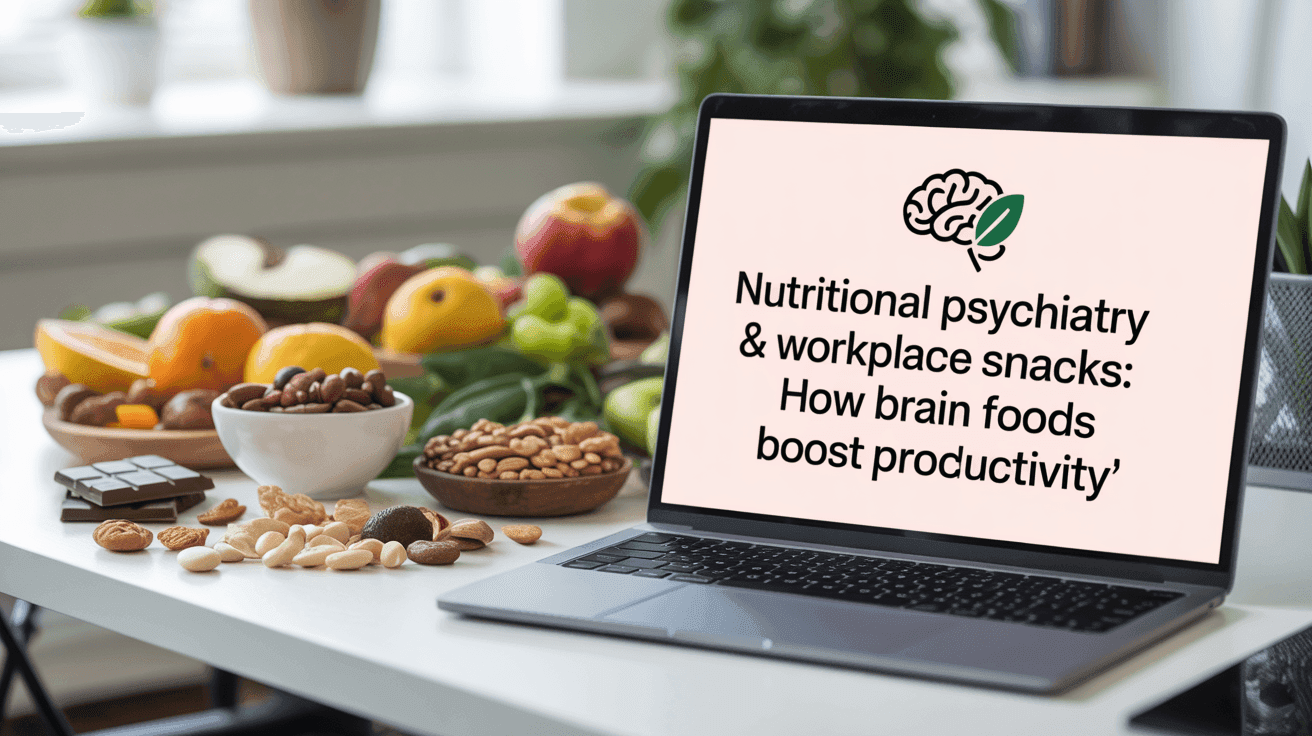
Table Of Contents
- Understanding Nutritional Psychiatry
- The Brain-Gut Connection in the Workplace
- Top Brain Foods That Enhance Workplace Performance
- The Problem with Traditional Office Snacks
- Implementing Brain-Friendly Snacking at Work
- Measuring the Impact of Nutritional Interventions
- Creating a Culture of Nutritional Wellness
- Conclusion: The Future of Workplace Nutrition
In today's high-performance workplace, organizations are constantly seeking evidence-based strategies to enhance productivity and employee wellbeing. While technology upgrades, workflow optimization, and traditional wellness programs receive significant attention, one powerful factor often remains underexplored: the connection between nutrition and brain function.
Nutritional psychiatry—an emerging field that examines how dietary choices impact mental health and cognitive performance—offers compelling insights that forward-thinking organizations can leverage to create more productive work environments. At the intersection of neuroscience, nutrition, and workplace wellness, this discipline reveals that what we eat doesn't just fuel our bodies; it directly influences our cognitive abilities, emotional regulation, and overall brain function.
For employers and HR professionals tasked with optimizing workplace performance, understanding this connection presents an untapped opportunity. The mid-afternoon energy crash, post-lunch brain fog, and chronic stress that plague many workplaces can all be addressed, at least partially, through strategic nutritional interventions. By reimagining workplace snacking through the lens of nutritional psychiatry, organizations can potentially unlock improvements in focus, decision-making, creativity, and resilience.
This article explores the science behind brain foods, examines their practical application in the workplace, and offers actionable strategies for implementing brain-friendly snacking programs that align with organizational performance goals.
Understanding Nutritional Psychiatry
Nutritional psychiatry represents an evolving interdisciplinary field that examines the complex relationship between dietary patterns and mental health outcomes. Unlike traditional approaches that view nutrition solely through the lens of physical health, nutritional psychiatry specifically investigates how food choices influence brain function, mood regulation, and cognitive performance.
Research in this area has accelerated dramatically in recent years, with studies consistently demonstrating that diet quality correlates strongly with mental health outcomes. A landmark 2017 study published in BMC Medicine found that dietary interventions can significantly reduce symptoms of depression, comparable to other established treatments. Similarly, research from Harvard Medical School has established connections between specific nutrients and brain health, influencing everything from neurotransmitter production to neural inflammation levels.
For workplace applications, nutritional psychiatry offers a particularly valuable framework. The brain, despite representing only 2% of body weight, consumes approximately 20% of our daily energy intake. This metabolic reality means that cognitive work—the primary currency of today's knowledge economy—is tremendously dependent on nutritional quality. When employees make suboptimal food choices, they're essentially limiting the brain's capacity to function efficiently during critical work tasks.
The implications extend beyond immediate cognitive effects. Poor nutrition can exacerbate workplace stress responses, diminish emotional regulation, and contribute to mood disorders that impact collaboration and creativity. Conversely, brain-supportive nutrition can enhance cognitive resilience, improve focus during challenging tasks, and support the neural processes that drive innovation and problem-solving.
The Brain-Gut Connection in the Workplace
At the heart of nutritional psychiatry is the increasingly well-documented brain-gut connection—a bidirectional communication system between our central nervous system and enteric nervous system. This connection, facilitated by the vagus nerve, immune signaling, and the gut microbiome, explains why dietary choices have such profound effects on cognitive function and emotional states.
The gut microbiome—comprising trillions of microorganisms residing in our digestive tract—plays a particularly crucial role in workplace performance. These microorganisms help produce neurotransmitters like serotonin (approximately 90% is produced in the gut), directly influencing mood regulation and cognitive function. Research published in the journal Nature Microbiology has demonstrated that certain gut bacteria populations correlate with higher cognitive performance and emotional resilience—qualities essential for high-functioning workplace teams.
This brain-gut axis has immediate relevance in workplace contexts. Consider these common scenarios:
- An employee consumes a high-sugar snack, triggering rapid blood glucose fluctuations that manifest as irritability during a team meeting
- A department head's chronic consumption of inflammatory foods compromises their gut barrier function, leading to subtle cognitive impairments that affect strategic decision-making
- A team consistently relies on processed convenience foods during project deadlines, inadvertently reducing their collective cognitive performance when it matters most
Understanding these mechanisms provides organizations with a scientific basis for nutritional interventions. When companies approach workplace nutrition through this lens, snack options transform from mere convenience offerings into strategic performance tools.
Top Brain Foods That Enhance Workplace Performance
Certain foods have demonstrated particular efficacy in supporting cognitive function and workplace performance. These "brain foods" share common characteristics: they typically provide steady energy release, contain anti-inflammatory compounds, support neurotransmitter production, and nourish the gut microbiome.
Fatty fish rich in omega-3s (particularly DHA) represent one of the most well-researched brain foods. These essential fatty acids constitute a significant portion of brain cell membranes and support neural communication. A 2020 study in the American Journal of Clinical Nutrition found that regular omega-3 consumption was associated with improved cognitive flexibility and attention switching—capabilities crucial for knowledge workers navigating multiple projects and priorities.
Flavonoid-rich berries deliver another category of performance-enhancing nutrients. Blueberries, strawberries, and blackberries contain anthocyanins that improve blood flow to the brain and possess neuroprotective properties. Research from the University of Reading demonstrated that blueberry consumption improved concentration and memory performance for up to five hours post-consumption—a meaningful productivity window in workplace settings.
Walnuts, with their unique profile of polyphenols, protein, and healthy fats, support cognitive function through multiple pathways. Their structural resemblance to the brain reflects their functional benefits: improved memory, processing speed, and flexible thinking. A handful of walnuts provides an ideal mid-morning or afternoon workplace snack that sustains energy without triggering the crash associated with high-glycemic alternatives.
Fermented foods like yogurt, kimchi, and kombucha deserve special attention in workplace nutrition programs. These probiotic-rich options directly support gut microbiome diversity, enhancing the brain-gut communication that underlies optimal cognitive performance. Organizations like Google and LinkedIn have already incorporated fermented options into their workplace food programs, recognizing their role in supporting sustainable employee performance.
Dark leafy greens, while more commonly incorporated into meals than snacks, provide exceptional brain benefits through their vitamin K, folate, and lutein content. Creative workplace food programs can incorporate these into smoothies, wraps, or innovative snack options that deliver their cognitive benefits in convenient formats.
The Problem with Traditional Office Snacks
Standard workplace snack offerings often directly contradict what nutritional psychiatry reveals about optimal brain function. The ubiquitous office candy jar, vending machines stocked with ultra-processed options, and sugar-laden baked goods brought for celebrations all introduce problematic nutritional patterns that undermine cognitive performance.
The primary issue centers on blood glucose regulation. Many conventional workplace snacks—from donuts to energy drinks—trigger rapid blood sugar spikes followed by crashes that manifest as difficulty concentrating, increased irritability, and diminished executive function. Research from the Journal of Personality and Social Psychology has demonstrated that glucose fluctuations directly impact self-control and decision quality—both essential workplace capabilities.
Inflammatory ingredients present another concern. Ultra-processed snacks often contain artificial additives, refined oils, and excessive sodium that promote systemic inflammation, including neuroinflammation. This inflammation hampers optimal brain cell communication and has been linked to decreased cognitive flexibility—a key attribute for problem-solving and creative work.
Micronutrient profiles represent a third dimension often overlooked in workplace snacking. Traditional office snacks typically lack the vitamins, minerals, and phytonutrients that support neurotransmitter production and brain cell maintenance. This nutritional emptiness represents a missed opportunity to support cognitive function during demanding workdays.
The timing element also warrants consideration. Many workplaces feature sporadic, unplanned snacking or rigid meal schedules that don't align with cognitive needs throughout the workday. Nutritional psychiatry suggests that strategic timing of nutrient intake can optimize cognitive performance during high-demand periods—an approach rarely implemented in conventional workplace settings.
Implementing Brain-Friendly Snacking at Work
Transforming workplace snacking requires strategic approaches that balance nutritional science with practical implementation. Forward-thinking organizations have demonstrated that with thoughtful planning, brain-supportive nutrition can become seamlessly integrated into workplace culture.
Begin by conducting a comprehensive audit of existing snack offerings, evaluating them against nutritional psychiatry principles. Remove options that actively undermine cognitive function—particularly those high in refined sugars, artificial additives, and inflammatory oils. This initial step often meets resistance but can be positioned as an investment in team performance rather than a deprivation.
Developing tiered options represents another effective strategy. Instead of eliminating all conventional choices immediately, create clearly designated "brain boost" snack stations featuring options scientifically shown to support cognitive function. Include informational signage about specific benefits (e.g., "Walnuts: Nature's Concentration Boosters") to encourage informed choices.
Strategic snack timing aligns with natural cognitive rhythms. Consider creating dedicated "brain break" periods that pair short mental recovery periods with nutritionally optimized snacks. This approach transforms snacking from a distraction into a performance-enhancing ritual that supports sustained cognitive output throughout the workday.
Involving employees in the transition increases both engagement and effectiveness. Create taste-testing events where team members sample brain-friendly alternatives and provide feedback on preferences. This participatory approach builds psychological ownership of the nutritional changes while providing valuable data about which options will gain traction.
iGrowFit has successfully implemented such transformations with organizations ranging from tech startups to multinational corporations. Our experience indicates that gradual, evidence-based changes coupled with educational components yield the strongest adoption rates and measurable cognitive benefits.
Measuring the Impact of Nutritional Interventions
Quantifying the effects of workplace nutritional interventions provides both validation for the approach and data for continuous improvement. While subjective measures like employee satisfaction offer some insight, more objective metrics provide compelling evidence for nutritional psychiatry's workplace applications.
Productivity tracking represents one measurement approach. Organizations implementing brain-friendly nutrition programs can analyze task completion rates, project timelines, and output quality during pre-and post-intervention periods. Companies working with iGrowFit have documented productivity improvements ranging from 7-12% following comprehensive nutritional interventions.
Absenteeism and presenteeism data offer another valuable metric. Research published in the Journal of Occupational and Environmental Medicine indicates that nutritional quality correlates significantly with reduced sick days and improved workplace presence. Organizations can track these patterns before and after implementing brain-food initiatives to quantify impact.
Cognitive assessment tools provide more direct measurement of nutritional psychiatry's effects. Brief, validated assessments measuring attention, memory, and executive function can be administered periodically to quantify cognitive changes associated with nutritional interventions. While these assessments require careful implementation to avoid becoming burdensome, they offer compelling data about real cognitive effects.
Qualitative measurement complements these quantitative approaches. Structured focus groups, experience sampling, and reflection journals can capture subjective improvements in mental clarity, energy stability, and creative thinking that may not appear in more standardized metrics but nevertheless significantly impact workplace performance.
A comprehensive measurement approach recognizes that nutritional interventions produce both immediate and cumulative effects. Some cognitive benefits appear within hours of consumption (such as improved reaction time after berry consumption), while others develop over weeks or months as nutritional patterns shift gut microbiome composition and reduce systemic inflammation.
Creating a Culture of Nutritional Wellness
Sustainable implementation of nutritional psychiatry principles requires moving beyond isolated interventions toward comprehensive cultural integration. Organizations that successfully leverage brain-food benefits recognize that lasting change requires systemic approaches that normalize optimized nutrition.
Leadership modeling plays a critical role in this cultural development. When executives and managers visibly embrace brain-friendly eating patterns, they signal organizational commitment and reduce perceived social barriers to nutritional change. Some organizations have found success with "leadership lunch" programs where team leaders showcase and discuss their own nutritional approaches to cognitive performance.
Educational initiatives deepen understanding and commitment. Brief, science-based workshops explaining the mechanisms connecting nutrition to workplace performance build intellectual buy-in. These sessions are most effective when they avoid overly prescriptive approaches and instead empower informed choice through clear explanation of nutritional principles.
Environmental design supports nutritional culture development. Beyond providing brain-friendly options, organizations can create physical spaces that encourage mindful consumption. Dedicated eating areas separate from workstations, communal tables that facilitate connection during meals, and aesthetically pleasing food presentation all contribute to a culture that values nutritional wellness.
Recognition systems can reinforce nutritional culture development. Some organizations have successfully implemented programs acknowledging teams or individuals who champion brain-healthy eating patterns. These recognition approaches work best when they celebrate innovation and support rather than creating competitive dynamics around personal food choices.
The most effective cultural approaches recognize nutritional diversity while promoting core principles. They acknowledge different dietary preferences, cultural backgrounds, and individual needs while consistently reinforcing the fundamental connection between nutrition, brain health, and workplace performance.
iGrowFit's ConPACT framework provides a structured approach to developing these nutritional wellness cultures, integrating consultancy, profiling, assessment, coaching and training to create sustainable change aligned with organizational performance objectives.
Conclusion: The Future of Workplace Nutrition
Nutritional psychiatry offers a powerful yet underutilized lens for enhancing workplace productivity and wellbeing. As research in this field continues to advance, the connection between dietary choices and cognitive performance becomes increasingly undeniable. Forward-thinking organizations recognize this connection as a strategic opportunity rather than merely a wellness perk.
The future workplace will likely see greater integration of nutritional interventions with other performance initiatives. Rather than treating nutrition as separate from productivity strategies, leading organizations will incorporate brain-food approaches into meeting design, project planning, and workspace configuration. This integrated approach recognizes that cognitive performance depends on holistic support systems rather than isolated interventions.
Personalization represents another frontier in workplace nutritional psychiatry. Emerging research suggests significant individual variation in responses to specific foods and eating patterns. Advanced organizations are already exploring ways to provide personalized nutritional guidance based on metabolic profiles, gut microbiome composition, and cognitive assessment—tailoring approaches to individual neurophysiology rather than relying on one-size-fits-all recommendations.
Most importantly, the future of workplace nutrition will increasingly recognize food's dual role in both performance and wellbeing. Rather than treating nutrition as purely instrumental for productivity, enlightened approaches acknowledge that nourishing employees' brains also supports their fundamental health and happiness. This dual recognition aligns perfectly with contemporary understanding that sustainable performance requires holistic wellbeing rather than extracted productivity.
For organizations seeking competitive advantage, nutritional psychiatry provides an evidence-based pathway to enhanced cognitive performance, creative problem-solving, and team resilience. By transforming workplace eating from an afterthought into a strategic priority, companies can literally feed the success of their most important asset—the remarkable human brains that drive innovation and results.
Ready to transform your workplace snacking culture and boost cognitive performance? Contact iGrowFit today to learn how our evidence-based nutritional psychiatry programs can enhance your team's productivity and wellbeing.