Online Counselling in Singapore: How Employers Can Offer Virtual EAP Access
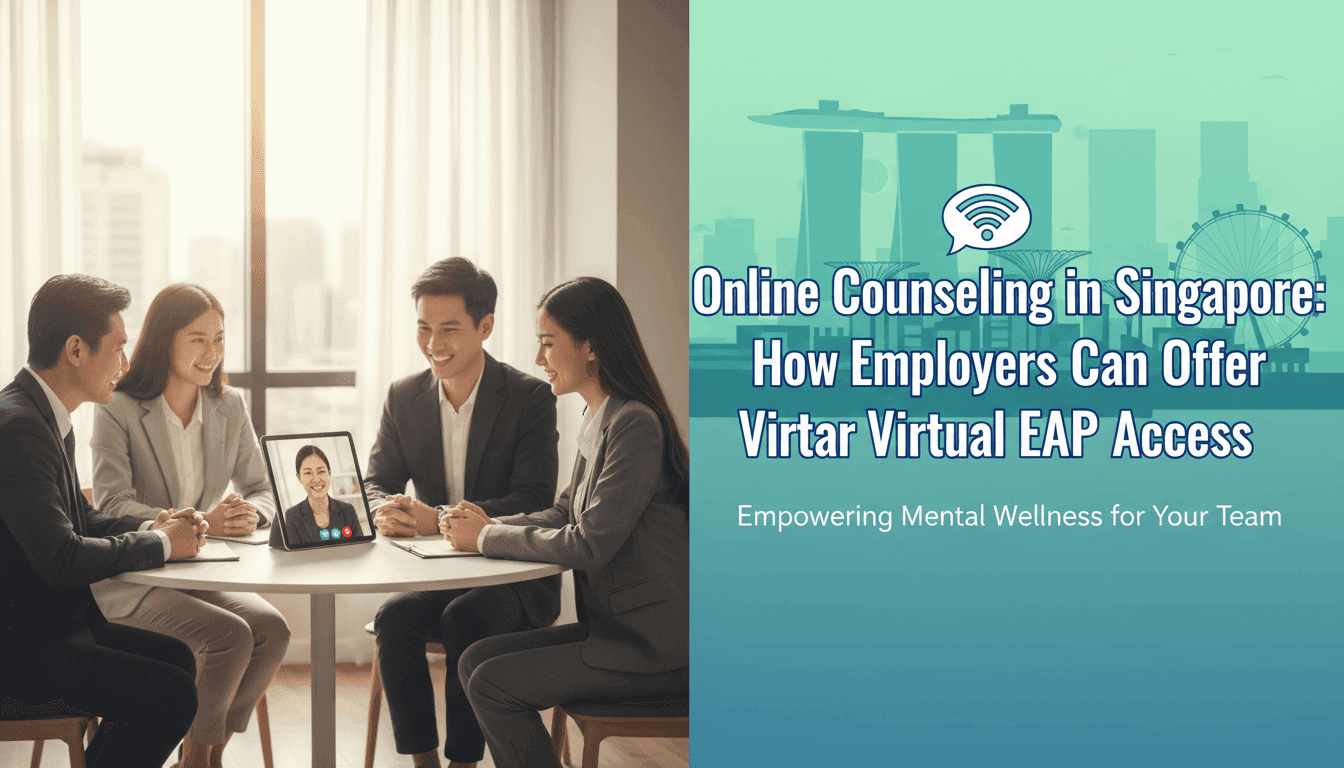
Table Of Contents
- Understanding the Growing Need for Online Counselling in Singapore
- What Makes Virtual EAP Different from Traditional Programs
- Key Benefits of Offering Online Counselling to Your Workforce
- How to Successfully Implement Virtual EAP Access
- Addressing Privacy and Compliance in Singapore's Context
- Measuring the Impact and ROI of Your Virtual EAP
- Choosing the Right Online Counselling Provider
The landscape of employee mental health support in Singapore has transformed dramatically over the past few years. What was once considered a progressive perk has become an essential component of responsible workforce management. With approximately one in seven people in Singapore experiencing mental health conditions, and workplace stress reaching unprecedented levels, employers face a critical question: how can they provide meaningful, accessible mental health support in an increasingly digital world?
Online counselling through virtual Employee Assistance Programs (EAPs) offers a compelling answer. These digital platforms break down traditional barriers to mental health support by offering confidential, convenient access to professional counsellors without the constraints of geography or office hours. For Singapore's diverse workforce, spanning multiple generations and working arrangements, virtual EAP access represents not just convenience but genuine inclusivity.
This guide explores how employers in Singapore can effectively implement online counselling through virtual EAP programs. Drawing on insights from working with over 450 Fortune 500 companies, MNCs, and SMEs, we'll examine the practical steps, compliance considerations, and strategic approaches that transform virtual mental health support from a checkbox initiative into a genuine driver of employee wellbeing and organizational performance.
Understanding the Growing Need for Online Counselling in Singapore
Singapore's mental health landscape has reached a critical inflection point. The Institute of Mental Health's National Mental Health Study revealed that mental health conditions affect approximately 13.9% of the adult population, with anxiety disorders, depression, and stress-related conditions dominating the spectrum. For employers, these statistics translate directly into workplace challenges including reduced productivity, increased absenteeism, and higher healthcare costs.
The COVID-19 pandemic accelerated both the need for mental health support and acceptance of digital solutions. Remote work arrangements, which were once rare in Singapore's office-centric culture, demonstrated that effective professional services could be delivered virtually. This shift in mindset created unprecedented openness to online counselling, with employees who might never have visited a therapist's office now comfortable accessing support through their devices.
Workplace stressors in Singapore carry unique characteristics shaped by the nation's high-performance culture and diverse demographics. Long working hours, career advancement pressures, and the challenges of balancing work with family caregiving responsibilities create mental health needs that don't conveniently fit within traditional 9-to-5 counselling availability. Online counselling addresses this fundamental mismatch between when employees need support and when they can access it.
The multi-generational workforce adds another layer of complexity. While younger employees may prefer app-based counselling with messaging features, others value video consultations that more closely replicate face-to-face interactions. A comprehensive virtual EAP must accommodate these varied preferences while maintaining consistent quality across all delivery modes.
What Makes Virtual EAP Different from Traditional Programs
Virtual Employee Assistance Programs represent a fundamental evolution rather than simply digitizing existing services. Traditional EAPs typically operate on a referral model where employees contact a hotline, schedule an appointment, and visit a counsellor's office during business hours. This process, while valuable, creates multiple friction points that discourage utilization, particularly among those who need support most.
Online counselling platforms eliminate geographical constraints entirely. An employee working in Singapore's Central Business District accesses the same quality of care as someone based at a manufacturing facility in Tuas or working remotely from home. This democratization of access ensures equitable support across your entire organization, regardless of physical location or work arrangement.
The asynchronous communication options available through many virtual EAP platforms offer particular advantages for certain employees and situations. Text-based counselling or secure messaging allows individuals to articulate difficult emotions in writing, which some find easier than verbal communication. It also accommodates employees who travel frequently or work non-standard hours, enabling them to engage with counselling support when it suits their schedule.
Integration capabilities distinguish modern virtual EAPs from standalone counselling services. Leading platforms connect with HR systems, wellness apps, and organizational communication channels, creating a seamless support ecosystem. This integration enables proactive outreach during high-stress periods, simplified access pathways, and better data insights while maintaining strict confidentiality protocols.
Key Benefits of Offering Online Counselling to Your Workforce
The business case for virtual EAP access extends well beyond compassionate people management. Organizations that have implemented comprehensive online counselling report measurable improvements across multiple performance indicators, creating value that flows directly to operational outcomes.
Enhanced Accessibility and Utilization Rates
Traditional EAPs in Singapore typically see utilization rates between 3-8%, meaning the vast majority of employees never access available support. Virtual platforms consistently achieve higher engagement, with utilization rates often reaching 15-25%. This dramatic increase stems from removing logistical barriers like travel time, scheduling conflicts, and the perceived stigma of visiting a counsellor's office during work hours.
Faster Intervention and Prevention
Online counselling enables employees to access support during the early stages of mental health challenges, before issues escalate into crisis situations requiring more intensive intervention. Many virtual EAP platforms offer on-demand resources, self-assessment tools, and rapid appointment scheduling, allowing employees to receive support within days rather than weeks. This speed matters enormously for preventing the progression from manageable stress to clinical anxiety or depression.
Cost Effectiveness and Resource Optimization
While investment in employee mental health requires budget commitment, virtual EAPs typically offer superior cost-effectiveness compared to traditional models. Employers avoid the overhead costs associated with maintaining physical counselling facilities, and the scalable nature of digital platforms means pricing structures that align with actual usage rather than flat infrastructure costs. The return on investment becomes evident through reduced absenteeism, lower healthcare claims, and improved retention of valuable employees.
Comprehensive Support Beyond Counselling
Leading virtual EAP platforms extend beyond individual counselling sessions to offer holistic wellbeing support. Digital libraries of mental health resources, stress management tools, meditation apps, and psychoeducational content empower employees to take proactive approaches to their mental wellness. This comprehensive ecosystem supports prevention, early intervention, and ongoing maintenance of psychological wellbeing.
Data-Driven Insights for Organizational Development
Virtual platforms generate anonymized, aggregated data that provides valuable insights into workforce mental health trends without compromising individual confidentiality. HR teams can identify emerging stressors, evaluate the effectiveness of interventions, and make evidence-based decisions about wellbeing initiatives. This data capability transforms EAPs from a passive benefit into an active tool for organizational development.
How to Successfully Implement Virtual EAP Access
Effective implementation of online counselling requires thoughtful planning and execution that goes beyond simply selecting a vendor and announcing the benefit to employees. Organizations that achieve strong adoption and meaningful impact follow structured implementation processes that address both technical and cultural dimensions.
1. Conduct a Needs Assessment
Begin by understanding your workforce's specific mental health support needs and preferences. Anonymous surveys, focus groups, and analysis of existing support service utilization patterns reveal what barriers currently prevent employees from accessing help and what features would most effectively serve your population. This assessment should consider demographic factors, work arrangements, existing stress points, and technological comfort levels across your employee base. The insights gathered inform every subsequent decision, ensuring your virtual EAP aligns with actual needs rather than assumptions.
2. Select a Provider Aligned with Your Requirements
Evaluate potential virtual EAP providers against criteria that matter for your organization. Consider the qualifications and diversity of counsellors available, language capabilities essential for Singapore's multilingual workforce, platform accessibility across devices, integration capabilities with existing systems, and compliance with data protection requirements. Request demonstrations, speak with current clients, and thoroughly review service level agreements. The right provider should function as a strategic partner in employee wellbeing rather than merely a service vendor.
3. Develop a Comprehensive Communication Strategy
Even the most sophisticated virtual EAP delivers no value if employees don't know it exists or how to access it. Create a multi-channel communication campaign that introduces the service, explains its benefits, demonstrates how to access support, and reinforces confidentiality guarantees. Successful campaigns typically include launch events, manager briefings, email communications, intranet resources, posters in common areas, and ongoing reminders. Leadership endorsement matters enormously in Singapore's hierarchical workplace culture, so secure visible support from senior executives.
4. Train Managers as First-Line Support
Managers play a crucial role in normalizing mental health support and identifying team members who might benefit from EAP services. Provide training that builds managers' capabilities to recognize signs of distress, conduct supportive conversations, make appropriate referrals to the virtual EAP, and manage their own wellbeing. This training should emphasize managers' responsibility to direct employees to professional support rather than attempting to provide counselling themselves.
5. Integrate with Broader Wellbeing Initiatives
Virtual EAP access achieves maximum impact when integrated into a comprehensive wellbeing strategy rather than operating as a standalone service. Connect online counselling with other initiatives like flexible work arrangements, stress management workshops, physical wellness programs, and leadership development. This holistic approach, similar to the ConPACT framework that aligns multiple organizational development dimensions, creates synergies where each element reinforces the others.
6. Monitor, Evaluate, and Refine
Establish clear metrics for success from the outset, including utilization rates, employee satisfaction scores, clinical outcomes where measurable, and business impact indicators like absence rates and retention. Regular review of these metrics enables continuous improvement, ensuring your virtual EAP evolves to meet changing workforce needs. Schedule quarterly reviews with your provider to assess performance, address concerns, and identify enhancement opportunities.
Addressing Privacy and Compliance in Singapore's Context
Privacy concerns represent the most significant barrier to mental health support utilization in many organizations. Employees legitimately worry about confidentiality breaches, potential career consequences, and the security of sensitive personal information. Addressing these concerns through robust privacy protections and transparent communication builds the trust necessary for meaningful EAP engagement.
Singapore's Personal Data Protection Act (PDPA) establishes clear requirements for collecting, using, disclosing, and protecting personal data. Virtual EAP providers must demonstrate full PDPA compliance, including appropriate consent mechanisms, purpose limitation, and security safeguards. Employers should verify that providers maintain data within Singapore or in jurisdictions with equivalent data protection standards, and that they implement encryption, secure access controls, and regular security audits.
The relationship between EAP providers and employers requires careful structuring to preserve confidentiality. Employers should receive only aggregated, anonymized data that reveals no individual identities. Even when managers refer employees to EAP services, the content of counselling sessions and the specific issues addressed must remain confidential to the employee and counsellor. Clear policies articulating these boundaries, communicated consistently and reinforced regularly, establish the trust foundation necessary for utilization.
Cultural considerations in Singapore's diverse workplace context add nuance to privacy and confidentiality discussions. Some employees from collectivist cultural backgrounds may have different expectations about privacy and information sharing. Clear, culturally sensitive communication that explains confidentiality protections in multiple languages ensures all employees understand their rights and the boundaries that protect their information.
Consider obtaining relevant certifications or accreditations that signal commitment to privacy and quality. ISO 27001 certification for information security management, Healthcare Services Act compliance where applicable, and membership in professional counselling associations provide external validation of privacy practices and service quality. These credentials offer tangible reassurance to employees considering whether to access support.
Measuring the Impact and ROI of Your Virtual EAP
Demonstrating the value of virtual EAP investment requires measuring impact across multiple dimensions, from individual employee outcomes to organizational performance metrics. A comprehensive measurement framework captures both the immediate effects of online counselling and the longer-term benefits that accumulate as the program matures.
Utilization metrics provide the foundation for all other measurements. Track not just the percentage of employees accessing EAP services, but also patterns in how they engage. Monitor the number of counselling sessions per user, repeat utilization rates, the mix of delivery modalities chosen, and demographic patterns in access. High utilization concentrated among a small employee subset suggests different challenges than moderate utilization spread across the workforce.
Employee feedback and satisfaction scores offer qualitative insights that numbers alone cannot capture. Regular surveys of EAP users should assess satisfaction with counsellor quality, ease of access, platform usability, and perceived value. Net Promoter Scores indicate whether employees would recommend the service to colleagues, a powerful indicator of genuine satisfaction. Anonymous testimonials, appropriately shared with permission, provide compelling narratives that humanize the impact.
Business impact metrics connect virtual EAP access to organizational outcomes that matter to leadership and stakeholders. Compare absenteeism rates between EAP users and non-users, controlling for other variables. Track changes in voluntary turnover, particularly among high-performing employees who represent significant retention value. Monitor healthcare claim patterns to identify potential cost offsets from preventive mental health intervention. While attributing causation requires careful analysis, correlations between EAP implementation and improved business metrics build the case for continued investment.
The evidence base from organizations similar to yours provides valuable benchmarking context. Companies that have implemented comprehensive EAP programs report average ROI ratios between 3:1 and 10:1, meaning every dollar invested generates three to ten dollars in value through reduced costs and improved productivity. Over 75,000 employees have experienced the impact of evidence-based psychological capital development, demonstrating that well-designed interventions consistently deliver measurable value.
Psychological capital metrics, including employee resilience, engagement, psychological safety, and overall wellbeing, represent leading indicators that predict future business performance. Regular assessment through validated instruments tracks these dimensions over time, revealing how virtual EAP access contributes to building workforce psychological capital. This approach aligns with the understanding that sustainable high performance depends on developing people's psychological resources, not just their technical skills.
Choosing the Right Online Counselling Provider
Selecting the virtual EAP provider that best serves your organization requires evaluating options against specific criteria that align with your workforce needs and organizational values. The market offers numerous providers, each with distinct strengths, service models, and philosophical approaches to mental health support.
Counsellor qualifications and diversity should top your evaluation criteria. Verify that all counsellors hold appropriate professional credentials recognized in Singapore, including registration with the Singapore Association for Counselling or equivalent professional bodies. The counsellor network should represent diverse specializations, enabling matching between employees and counsellors based on the specific issues being addressed. Cultural and linguistic diversity within the counsellor network matters enormously in Singapore's multicultural context, ensuring employees can access support in their preferred language from counsellors who understand relevant cultural contexts.
Platform functionality and user experience directly impact utilization rates. Request demonstrations that simulate the actual employee experience, from initial access through scheduling and attending a session. Evaluate whether the platform works seamlessly across devices, accommodates varying technological literacy levels, and provides the modality options your workforce needs. Features like on-demand resources, self-assessment tools, and integration with other wellness apps add value beyond core counselling services.
The service model should align with your organizational culture and employee preferences. Some providers offer unlimited access to counselling, while others operate on a session-limited basis. Consider whether the provider supports various intervention levels, from brief consultations for acute issues to longer-term therapeutic relationships for complex challenges. Flexibility in service delivery, including both scheduled appointments and urgent access options, ensures the EAP can respond to diverse employee needs.
Evidence-based practice should underpin all counselling services. Inquire about the theoretical frameworks and intervention approaches counsellors employ, and verify that these align with current psychological research. Providers should demonstrate outcomes through aggregated client data, showing clinical improvement and satisfaction metrics. This commitment to evidence-based practice mirrors the approach that has enabled successful completion of over 700 consultancy projects focused on developing psychological capital for peak performance.
Customer support and service responsiveness separate exceptional providers from adequate ones. Understand the support available to both employees and HR administrators, including response times for technical issues, accessibility of account management, and flexibility in adapting services as your needs evolve. The provider should function as a true partner invested in your success rather than simply delivering a standardized product.
iGrowFit offers comprehensive EAP solutions that integrate online counselling within a holistic approach to organizational wellbeing. With experience supporting over 450 Fortune 500 companies, MNCs, and SMEs since 2009, the multi-disciplinary team combines psychological expertise with deep understanding of business performance requirements. The ConPACT framework encompasses Consultancy, Profiling, Assessments, Coaching, and Training, creating bespoke solutions that align employee wellbeing with organizational goals. This integrated approach recognizes that sustainable performance depends on developing people's psychological capital alongside their professional capabilities.
Implementing virtual EAP access through online counselling represents a strategic investment in your organization's most valuable asset: your people. The convergence of growing mental health needs, technological capability, and cultural acceptance creates an unprecedented opportunity for Singapore employers to provide meaningful, accessible support that drives both employee wellbeing and business performance.
The most successful implementations share common characteristics: comprehensive planning that considers workforce-specific needs, thoughtful provider selection aligned with organizational values, robust privacy protections that build trust, integrated communication strategies that drive awareness and utilization, and ongoing measurement that demonstrates value and enables continuous improvement. These elements transform virtual EAP from a compliance checkbox into a genuine contributor to psychological capital development and organizational resilience.
The journey toward comprehensive employee mental health support begins with a single step. Whether you're implementing your first EAP or enhancing existing programs with virtual capabilities, the principles outlined here provide a roadmap for creating accessible, effective support that meets employees where they are and delivers measurable value to your organization. In Singapore's competitive talent landscape, the employers who invest meaningfully in holistic employee wellbeing position themselves to attract, develop, and retain the exceptional people who drive sustainable success.
Ready to Transform Your Employee Wellbeing Strategy?
Discover how iGrowFit's comprehensive EAP solutions can support your workforce with accessible online counselling and holistic organizational development. Our multi-disciplinary team brings evidence-based approaches refined through partnerships with over 450 companies and national-level wellbeing initiatives.
Connect with us on WhatsApp to discuss how we can tailor virtual EAP access to your organization's unique needs and help your people hit goals and finish tasks consistently.