Virtual Offsites for Mental Well-being: 12 Creative Ideas to Boost Team Connection
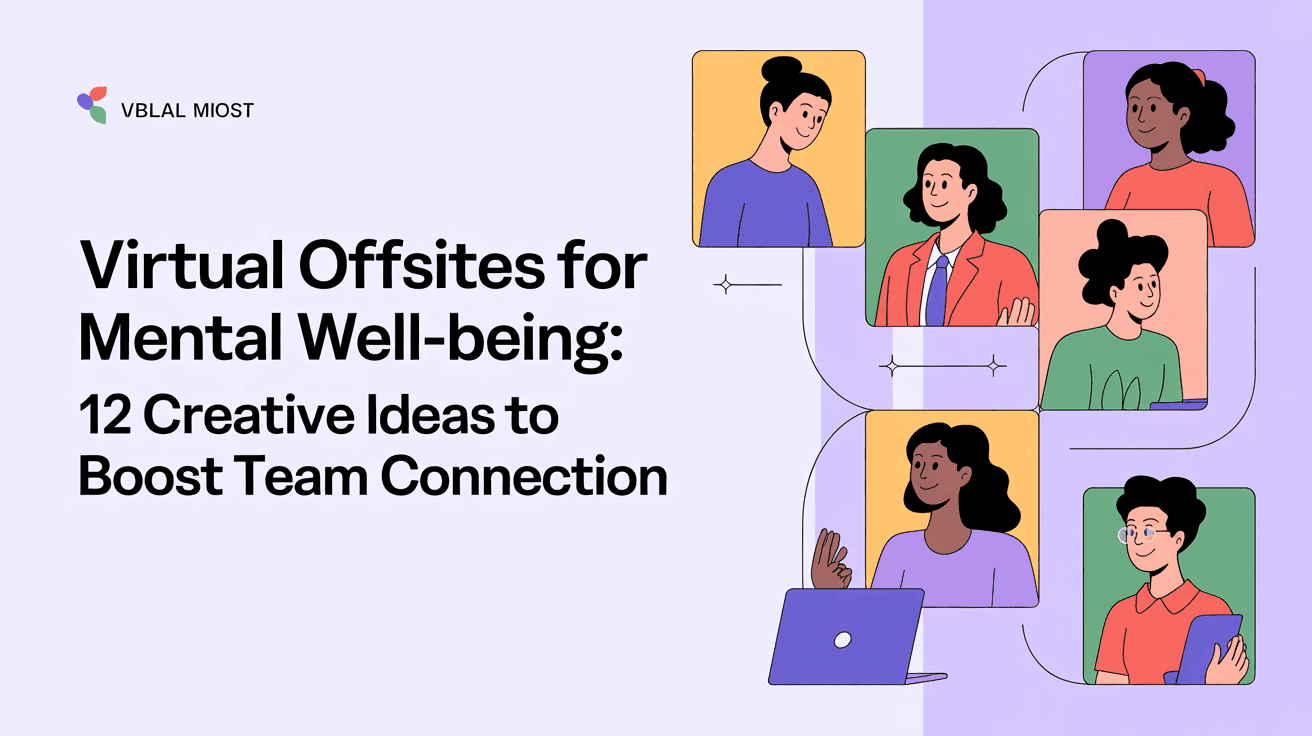
Table Of Contents
- Understanding the Importance of Virtual Offsites for Mental Well-being
- Planning Effective Virtual Offsites: Key Considerations
- 12 Creative Virtual Offsite Ideas for Mental Well-being
- 1. Guided Mindfulness Retreat
- 2. Virtual Wellness Challenge
- 3. Creative Expression Workshop
- 4. Team Cooking Experience
- 5. Nature Connection Day
- 6. Strengths-Based Team Building
- 7. Virtual Escape Room with Reflection
- 8. Collaborative Impact Project
- 9. Storytelling Circle
- 10. Movement and Energy Sessions
- 11. Learning Festival
- 12. Gratitude and Recognition Event
- Measuring the Impact of Mental Well-being Offsites
- Conclusion: Creating Lasting Well-being Through Virtual Connection
In today's increasingly digital workplace landscape, maintaining team cohesion and supporting employee mental well-being has become more challenging—and more essential—than ever before. Virtual offsites offer a powerful solution, providing structured opportunities for meaningful connection that can significantly boost psychological capital and overall team health.
At iGrowFit, our work with over 450 Fortune 500 companies and multinational corporations has shown that intentionally designed virtual gatherings can be transformative for organizations seeking to enhance employee well-being while simultaneously improving performance. These aren't just fun diversions from daily work—they're strategic investments in your team's psychological foundations.
In this comprehensive guide, we'll explore 12 innovative virtual offsite ideas specifically designed to nurture mental well-being, enhance team dynamics, and develop the psychological resilience needed for sustained high performance. Drawing from evidence-based approaches and our extensive organizational experience, these activities go beyond simple team bonding to create genuine opportunities for growth, connection, and rejuvenation.
Understanding the Importance of Virtual Offsites for Mental Well-being
Traditional in-person offsites have long been valued for their ability to strengthen team bonds and align organizational vision. However, in remote and hybrid work environments, the need for deliberate connection becomes even more crucial. Virtual offsites specifically focused on mental well-being serve multiple essential functions:
-
Countering isolation and disconnection that can develop when teams work remotely, helping to maintain a sense of belonging and community
-
Creating psychological safety by providing structured opportunities for authentic interaction outside of task-focused meetings
-
Building psychological capital – the combination of hope, efficacy, resilience, and optimism that enables individuals and teams to thrive even amid challenges
-
Preventing burnout by intentionally breaking work patterns and creating space for rejuvenation
-
Developing emotional intelligence through activities that promote self-awareness and interpersonal understanding
Research consistently demonstrates that when teams feel psychologically connected and supported, performance improves across virtually all metrics. A well-designed virtual offsite isn't just good for morale—it's a strategic business investment that pays dividends through enhanced collaboration, creativity, and commitment.
Planning Effective Virtual Offsites: Key Considerations
Before diving into specific activity ideas, several foundational elements should be considered to ensure your virtual offsite truly supports mental well-being:
Intentional Design: Each element should have a clear purpose connected to specific well-being outcomes. Random activities without thoughtful integration rarely produce meaningful results.
Psychological Safety First: Create explicit norms that encourage authentic participation while respecting individual comfort levels. Not everyone will engage in the same way, and that's perfectly acceptable.
Technology Considerations: Select platforms that support your activities while minimizing technical frustration. Sometimes simpler is better, particularly for participants experiencing digital fatigue.
Duration and Pacing: Well-being focused offsites need appropriate breaks and transitions. Consider shorter sessions spread across multiple days rather than marathon virtual events that contribute to screen exhaustion.
Follow-up Integration: The most effective offsites include mechanisms to transfer insights and connections back into everyday work life. Plan for this integration from the beginning.
With these considerations in mind, let's explore our curated selection of virtual offsite activities specifically designed to nurture mental well-being and team connection.
12 Creative Virtual Offsite Ideas for Mental Well-being
1. Guided Mindfulness Retreat
Transform a standard virtual gathering into a structured retreat focused on mindfulness practices that enhance present-moment awareness and reduce stress.
Implementation approach:
Structure a half-day or full-day experience combining guided meditation sessions, mindful movement practices, and reflective discussions. Bring in a qualified mindfulness facilitator who can tailor practices to different experience levels and address workplace-specific challenges.
For maximum impact, send participants simple mindfulness tools in advance (meditation cushions, journals, or aromatherapy items) to create a multi-sensory experience that transcends the digital environment.
Psychological benefits:
Mindfulness practices have been extensively researched and shown to reduce stress, improve focus, enhance emotional regulation, and develop greater self-awareness. When practiced collectively, these benefits extend to improved team communication patterns and conflict management abilities.
2. Virtual Wellness Challenge
Create a team-based wellness initiative that spans several weeks, culminating in a celebration and reflection event during your virtual offsite.
Implementation approach:
Design a multi-dimensional challenge incorporating physical activity, sleep quality, nutrition, and mental well-being practices. Using a dedicated app or simple tracking system, teams can support each other in establishing healthy habits while building connection through shared goals.
During the offsite component, include expert speakers on holistic well-being, celebratory recognition of participation (not just achievement), and facilitated sessions where teams can share insights from their experience.
Psychological benefits:
This approach leverages social accountability to establish well-being routines while creating natural opportunities for peer support. The comprehensive focus acknowledges the interconnection between physical and mental health, helping participants develop sustainable practices that extend beyond the challenge timeframe.
3. Creative Expression Workshop
Facilitate a structured creative process that allows team members to express themselves through artistic mediums, regardless of artistic background or experience.
Implementation approach:
Ship simple art supplies to participants in advance (or provide a stipend for materials). Engage an art therapist or creative facilitator to guide the team through accessible creative processes like intuitive painting, collage, or visual storytelling.
The workshop should emphasize process over product, with opportunities for voluntary sharing about the experience rather than the output. Conclude with a discussion about how creative thinking transfers to workplace challenges.
Psychological benefits:
Creative expression provides emotional release, accesses non-verbal processing pathways, and often reveals insights not accessible through purely cognitive approaches. For teams, shared creative experiences build new connections and appreciation for diverse perspectives and processing styles.
4. Team Cooking Experience
Transform the popular cooking class concept into a more profound well-being experience by focusing on the connections between nutrition, cooking mindfulness, and mental health.
Implementation approach:
Partner with a nutritionist or chef specializing in mood-supporting foods. Send ingredient kits to participants and guide them through preparing a meal together virtually, while learning about how specific ingredients and preparation methods influence brain health and emotional well-being.
Incorporate mindful eating practices and create space for sharing food memories or traditions, connecting the experience to participants' personal histories and cultural backgrounds.
Psychological benefits:
Beyond the immediate enjoyment, this activity educates participants about the crucial nutrition-mental health connection while creating a shared sensory experience that transcends digital boundaries. The combination of learning, creating, and sharing builds multiple connection pathways.
5. Nature Connection Day
Design a hybrid virtual/outdoor experience that leverages the well-documented psychological benefits of nature exposure.
Implementation approach:
Structure a day where team members spend time outdoors individually but connected virtually at specific touchpoints. Provide guided nature observation activities, photography challenges, or mindful walking instructions that participants can complete in their local environment, whether an urban park or wilderness area.
Create virtual gathering points to share observations, insights, and experiences, using the natural world as both individual restoration and collective connection point.
Psychological benefits:
Numerous studies confirm that nature exposure reduces stress hormones, improves mood, and enhances cognitive function. This format honors the need for screen breaks while maintaining team connection, offering a refreshing alternative to entirely virtual interactions.
6. Strengths-Based Team Building
Leverage psychological capital development by creating a structured exploration of individual and collective strengths within your team.
Implementation approach:
Prior to the offsite, have participants complete a validated strengths assessment tool. During the virtual gathering, use interactive workshops to help team members recognize their strengths constellation and understand how these capacities contribute to resilience and well-being.
Facilitate partner and small group activities where colleagues share stories of seeing each other's strengths in action, reinforcing positive identity and appreciation. Conclude with team mapping activities that visualize how collective strengths can address current challenges.
Psychological benefits:
A strengths focus builds psychological capital by enhancing self-efficacy and providing concrete resources for navigating difficulties. This approach counterbalances the deficit-oriented thinking that often dominates workplace discussions, creating a more balanced and resource-rich perspective.
7. Virtual Escape Room with Reflection
Elevate the popular escape room team building activity by adding structured reflection components that connect the experience to psychological well-being principles.
Implementation approach:
Select a virtual escape room experience appropriate for your team size and composition. Following the activity, conduct a facilitated debrief that goes beyond standard process analysis to explore stress responses, communication patterns, and how team members supported each other through challenges.
Use the shared experience as a metaphor for workplace challenges, helping participants identify transferable insights about their collective response to pressure, uncertainty, and complex problem-solving.
Psychological benefits:
The combination of engaging challenge and thoughtful reflection creates a powerful learning laboratory for teams to understand their dynamics under pressure. This activity builds metacognitive awareness of individual and team functioning while creating shared positive experiences that strengthen bonds.
8. Collaborative Impact Project
Engage your team in a meaningful collective contribution that extends beyond the organization, tapping into the well-documented well-being benefits of prosocial behavior.
Implementation approach:
Identify a cause or organization aligned with your team's values. Structure a virtual volunteering opportunity or collaborative creation project that allows team members to contribute their skills toward a meaningful outcome that benefits others.
Examples include developing resources for an educational nonprofit, providing virtual mentoring to students, or creating digital content for organizations serving vulnerable populations. The key is creating tangible positive impact through collective effort.
Psychological benefits:
Contributing to others' well-being consistently ranks among the most powerful boosters of personal psychological health. This approach fosters meaning-making, perspective-taking, and appreciation of collective capacity, all crucial components of sustainable mental well-being.
9. Storytelling Circle
Create structured opportunities for personal narrative sharing that deepen team understanding and connection while honoring diverse experiences.
Implementation approach:
With skilled facilitation, guide participants through sharing brief personal stories connected to themes relevant to your team context. These might include professional journey moments, learning experiences, or stories of resilience and growth through challenge.
Establish clear parameters around story length and appropriate content, and ensure participation options that respect different comfort levels with personal sharing. Include reflection questions that help listeners identify connections and insights from each narrative.
Psychological benefits:
Structured storytelling creates psychological safety through mutual vulnerability while building empathy and appreciation for colleagues' unique perspectives. Personal narratives contextualize workplace behaviors and preferences, reducing misattribution and interpersonal friction.
10. Movement and Energy Sessions
Integrate evidence-based movement practices specifically designed to boost mental well-being and cognitive function.
Implementation approach:
Engage qualified instructors to lead accessible sessions in modalities such as yoga, qigong, dance, or somatic practices that connect mind and body. Focus on movements specifically selected to counterbalance the physical patterns of desk work while enhancing mental clarity and emotional regulation.
Frame these sessions not as fitness activities but as holistic practices that integrate physical, mental, and emotional dimensions. Include variations that accommodate different physical abilities and prior experience levels.
Psychological benefits:
Movement practices provide immediate stress reduction while teaching self-regulation tools that participants can incorporate into daily routines. The embodied experience creates a different connection pathway for teams accustomed to primarily cognitive interaction.
11. Learning Festival
Design a multi-track learning experience where team members both receive and provide knowledge across well-being domains.
Implementation approach:
Invite team members to share their expertise in areas that contribute to holistic well-being—from financial wellness to creative hobbies, meditation practices to productivity systems. Supplement internal knowledge with external experts in key mental health and well-being domains.
Structure the day as a choose-your-own-adventure learning festival with concurrent sessions, allowing participants to create a personalized experience based on their interests and development priorities.
Psychological benefits:
This approach values and activates internal wisdom while exposing the team to new well-being practices. The element of choice honors individual differences in well-being priorities, while the teaching opportunity builds confidence and recognition for team members' unique contributions.
12. Gratitude and Recognition Event
Create a structured appreciation experience that goes beyond generic recognition to build genuine connection and positive emotion.
Implementation approach:
Prepare participants with specific prompts for meaningful recognition that focuses on impact, personal qualities, and specific contributions rather than general praise. Incorporate both public and private appreciation modalities to honor different preferences for giving and receiving recognition.
Consider using digital platforms that allow for multimedia expressions of gratitude or sending physical tokens that represent appreciation themes. Include education on the science of gratitude practice and its benefits for individual and collective well-being.
Psychological benefits:
Structured gratitude practices create positive emotional contagion within teams while strengthening social bonds. Regular appreciation exchanges have been shown to buffer against burnout and enhance meaning-making, particularly during challenging periods.
Measuring the Impact of Mental Well-being Offsites
To maximize the return on investment from your virtual well-being offsite, consider implementing measurement approaches that capture both immediate and sustained impact:
Pre and Post Assessments: Use validated well-being measures before and after the offsite to track changes in key indicators like stress levels, team connection, and psychological capital components.
Qualitative Feedback: Collect stories and specific examples of how the offsite influenced day-to-day work experiences and team interactions.
Behavioral Indicators: Monitor changes in relevant metrics like meeting participation, collaboration patterns, or utilization of well-being resources following the offsite.
Integration Touchpoints: Schedule follow-up sessions at 30, 60, and 90 days to reinforce key practices and assess ongoing implementation of well-being tools.
At iGrowFit, our assessment expertise can help you design measurement approaches that capture meaningful outcomes while reinforcing the very well-being principles you're working to enhance.
Conclusion: Creating Lasting Well-being Through Virtual Connection
Virtual offsites focused on mental well-being represent a significant opportunity for organizations committed to both human flourishing and sustainable performance. When thoughtfully designed and implemented, these experiences can transform team dynamics, build psychological capital, and create lasting positive impact on organizational culture.
The 12 ideas presented in this guide offer diverse approaches that can be tailored to your specific team needs, organizational context, and well-being priorities. The most effective strategy often involves combining elements from multiple approaches or sequencing different activities across an annual well-being calendar.
Remember that supporting mental well-being isn't a one-time event but an ongoing commitment. The virtual offsite serves as an intensive growth opportunity that catalyzes and accelerates processes that should be integrated into regular work rhythms.
As you consider implementing these ideas, focus not just on the activities themselves but on creating the conditions for psychological safety, authentic connection, and sustainable well-being practices that extend far beyond the offsite experience itself.
Ready to transform your team's virtual connection and mental well-being? Contact iGrowFit to discuss how our evidence-based approach can help design, facilitate, and measure the impact of virtual offsites tailored to your organization's unique culture and challenges. Our multidisciplinary team of psychologists, coaches, and organizational development experts will partner with you to create experiences that build psychological capital while strengthening team performance.